
Ceramic window tint is no longer just a premium upgrade. In 2026, it has become a practical, performance-driven choice for drivers and homeowners across the United States. With rising temperatures, increased UV exposure, and growing awareness around interior protection, ceramic window tinting is now one of the fastest-growing segments in the window film market.
Unlike older dyed or metallic tints, nano ceramic window tint offers advanced heat rejection, crystal-clear visibility, and long-term durability without interfering with electronics. This combination of comfort, technology, and value is exactly why the ceramic window tint trend in 2026 is gaining serious traction.
In this guide, we’ll break down how ceramic window tint works, why it’s different, how much it costs in the USA, and whether it’s worth the investment for your car or home.
What Is Ceramic Window Tint?
Ceramic window tint is a high-performance window film made using non-metallic, nano-ceramic particles. These particles are engineered to block heat and harmful UV rays without reducing visibility or causing signal interference.
Unlike metallic tints, ceramic films:
- Do not reflect signals
- Do not fade or discolor
- Maintain optical clarity
- Perform well even at lighter shades
This makes ceramic window tinting ideal for modern vehicles packed with GPS, sensors, and wireless connectivity.
Why Ceramic Window Tint Is Trending in 2026
The ceramic window tint trend in 2026 is driven by real-world needs, not hype.
Key reasons behind its popularity in the USA include:
- Hotter summers across many states
- Increased awareness of UV-related interior damage
- Demand for premium, long-lasting upgrades
- Growth in electric and luxury vehicles
- Better affordability compared to past years
Consumers now want solutions that improve comfort without sacrificing aesthetics or functionality. Ceramic window tint delivers exactly that.
Nano Ceramic Window Tint Explained
Nano ceramic window tint uses microscopic ceramic particles suspended within the film. These particles target infrared heat rather than just visible light.
What this means in real terms:
- Your car stays cooler, even with lighter tint shades
- You get strong heat rejection without dark windows
- Reduced glare without eye strain
- Enhanced driving comfort in bright conditions
This is why nano ceramic window tint is often chosen by drivers who want performance without drawing attention.
Ceramic Car Window Tint vs Other Tint Types
Ceramic Tint vs Dyed Tint
Dyed tint is cheaper but offers minimal heat protection and fades over time. Ceramic tint costs more upfront but lasts longer and performs significantly better.
Ceramic Tint vs Metallic Tint
Metallic tints can block heat but interfere with signals and create glare. Ceramic car window tint avoids both issues.
Ceramic Tint vs Carbon Tint
Carbon tint is decent but still falls short in infrared rejection compared to ceramic window tinting.
Bottom line: Ceramic tint offers the best balance of performance, durability, and comfort.
Ceramic Window Tint Benefits You’ll Notice Daily
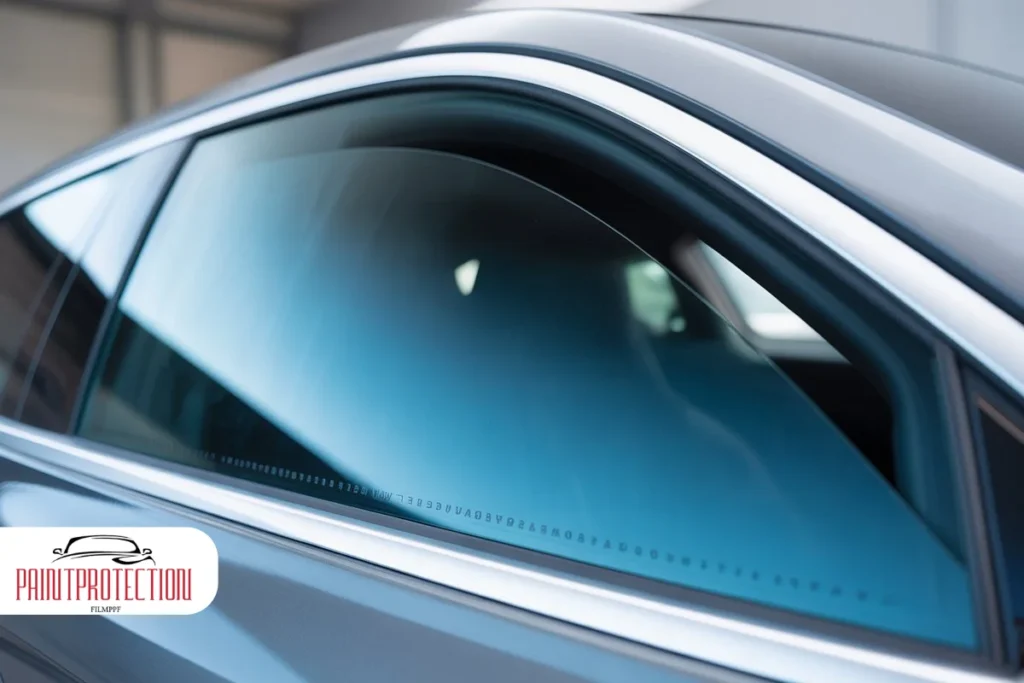
Here’s why ceramic window tint is considered a premium upgrade in 2026:
- Up to 95% infrared heat rejection
- 99% UV protection for skin and interiors
- Cooler cabin temperatures
- Reduced AC usage and fuel consumption
- Clear visibility day and night
- No signal or GPS interference
For many drivers, the comfort improvement alone justifies the investment.
Ceramic Window Tint Cost in the USA (2026)
Ceramic window tint cost varies based on vehicle size, brand, and installer location.
Average Ceramic Car Window Tint Prices:
| Vehicle Type | Estimated Cost |
|---|---|
| Sedan | $400 – $700 |
| SUV | $500 – $900 |
| Luxury Cars | $700 – $1,200 |
Home Window Ceramic Tint Cost:
- $8 to $15 per square foot installed
While ceramic window tinting costs more than basic options, it offers better longevity and performance, often making it more cost-effective long-term.
Is Ceramic Window Tint Legal in the US?
Yes, ceramic window tint is legal, but regulations vary by state.
Key points:
- Each state defines minimum Visible Light Transmission (VLT)
- Ceramic tint can meet legal limits even at lighter shades
- Windshield tint laws are stricter
Always check your local state tint laws before installation.
Ceramic Window Tint for Homes vs Cars
Ceramic window tint isn’t limited to vehicles.
For Cars:
- Heat reduction
- Interior protection
- Glare control
- Enhanced driving comfort
For Homes:
- Lower cooling costs
- UV protection for furniture
- Improved indoor comfort
- Increased privacy without darkness
This versatility adds to the ceramic window tint trend in 2026.
Installation, Longevity, and Maintenance
Professional installation is highly recommended for ceramic window tinting.
What to expect:
- Installation time: 2 to 4 hours for vehicles
- Lifespan: 10+ years with proper care
- Minimal maintenance required
Avoid rolling down windows for at least 48 hours post-installation.
How Ceramic Tint Fits Into Vehicle Protection
Many car owners pair ceramic window tint with exterior protection solutions. For example, understanding the differences between protective coatings and films helps build a complete protection strategy.
A helpful comparison is explained in Ceramic Coating vs Paint Protection Film, which breaks down how coatings and PPF protect your car’s paint, durability differences, and cost considerations. While that guide focuses on exterior surfaces, ceramic window tint complements those protections by safeguarding your interior and improving driving comfort.
You can read the full comparison here:
https://paintprotectionfilmppf.com/ceramic-coat-vs-ppf-ultimate-truth/
Together, these upgrades create a well-rounded vehicle protection approach.
How to Choose the Best Ceramic Window Tint
Before choosing a ceramic window tint, consider:
- Infrared rejection percentage
- UV blocking rating
- Manufacturer warranty
- Installer experience
- Compliance with state laws
Avoid unknown brands that lack performance data or warranty support.
Final Verdict: Is Ceramic Window Tint Worth It in 2026?
For most drivers and homeowners in the USA, the answer is yes.
The ceramic window tint trend 2026 reflects a shift toward smarter, performance-based upgrades. While the upfront cost is higher, the comfort, protection, and durability make ceramic window tinting a worthwhile investment.
If you value heat control, UV protection, and long-term reliability, ceramic window tint stands out as one of the best window film options available today.
FAQ
1. How long does ceramic window tint last?
High-quality ceramic window tint can last 10 to 15 years with proper installation and care.
2. Is nano ceramic window tint better than regular ceramic tint?
Nano ceramic window tint offers improved infrared heat rejection and better clarity compared to older ceramic films.
3. Does ceramic window tint interfere with GPS or phone signals?
No. Ceramic window tint is non-metallic and does not block electronic signals.
4. Is ceramic window tint worth the cost?
Yes, especially for drivers in hot climates who want long-term heat and UV protection.
5. Can ceramic window tint be installed on windshields?
Yes, as long as it complies with state VLT laws and uses a clear or high-transparency film.