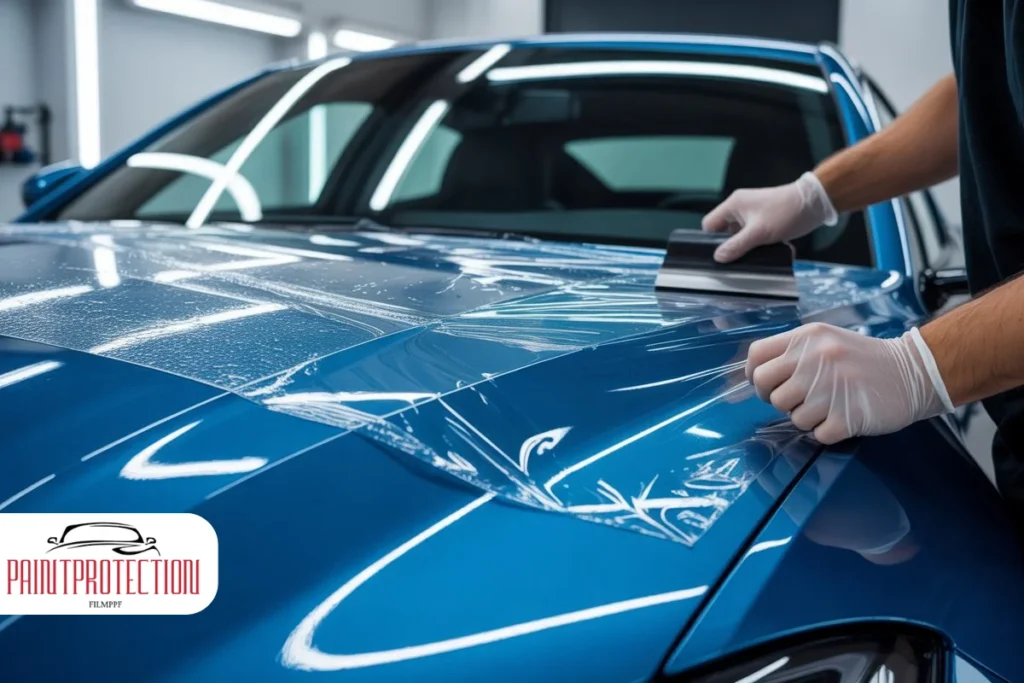
As vehicle prices rise and factory paint becomes thinner, more car owners are looking for smarter ways to protect their investment. Clear paint protection film is no longer just for luxury or exotic cars. In 2026, it is becoming a mainstream solution for daily drivers, electric vehicles, trucks, and SUVs across the United States.
This guide explores the most practical and innovative clear paint protection film ideas for 2026. You will learn how modern PPF works, where to apply it, current trends, and how to choose the right option for your vehicle and budget.
What Is Clear Paint Protection Film
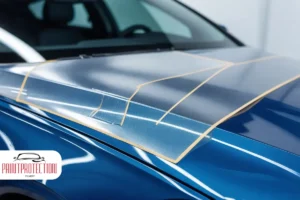
Clear paint protection film is a transparent polyurethane layer applied to a vehicle’s painted surfaces. Its purpose is to protect paint from physical damage and environmental wear without altering the appearance of the car.
Modern paint protection film is engineered to resist:
- Rock chips
- Road debris
- Minor scratches
- Bug splatter
- Bird droppings
- UV damage
Unlike traditional car bras from the past, today’s clear bra technology is nearly invisible and designed to last for years.
Why Clear Paint Protection Film Matters in 2026
Vehicle ownership in 2026 looks very different from a decade ago. Several factors are driving demand for clear paint protection film in the USA.
First, factory paint is thinner due to environmental regulations. While eco-friendly, thinner paint chips more easily. Second, more drivers are leasing or planning to resell their vehicles, making paint condition critical for resale value. Third, EVs and high-tech vehicles rely on clean sensor visibility and aerodynamics, which damaged paint can affect.
Clear paint protection film provides a practical solution by offering long-term surface protection without permanent modification.
Top Clear Paint Protection Film Ideas for 2026
1. Front-End Protection Packages
One of the most popular clear paint protection film ideas for 2026 is targeted front-end coverage. This option focuses on high-impact areas that face the most damage.
Common areas include:
- Front bumper
- Hood
- Fenders
- Side mirrors
This approach delivers strong protection while keeping costs manageable. It is ideal for commuters and highway drivers.
2. Full Hood and Fender Coverage
Instead of partial hood protection, many owners now choose full hood coverage. This eliminates visible film lines and offers better long-term aesthetics.
Full hood clear paint protection film is especially popular for:
- New vehicles
- Luxury sedans
- Performance cars
3. High-Impact Zone Protection
Another smart idea is protecting only the areas that see frequent wear.
These zones often include:
- Door edges
- Door cups
- Trunk loading area
- Rear bumper top surface
This targeted strategy works well for families, rideshare drivers, and delivery vehicles.
Partial vs Full Vehicle Coverage Options
Partial Clear Paint Protection Film
Partial coverage focuses on select areas and is the most budget-friendly choice.
Best for:
- Daily drivers
- Older vehicles
- Short-term ownership
Pros:
- Lower cost
- Faster installation
Cons:
- Less overall protection
- Possible visible film edges
Full Vehicle Clear Paint Protection Film
Full coverage wraps nearly every painted surface with transparent film.
Best for:
- New cars
- Exotic or collector vehicles
- Long-term ownership
Pros:
- Maximum protection
- Uniform appearance
- Higher resale value
Cons:
- Higher upfront cost
In 2026, full-body PPF is becoming more accessible due to improved installation techniques and competitive pricing.
Clear Paint Protection Film for EVs and Trucks
Electric Vehicles
EV owners are increasingly choosing clear paint protection film due to aerodynamic designs and sensor-heavy exteriors.
PPF helps protect:
- Camera housings
- Charging port areas
- Flush door handles
This prevents cosmetic damage that could interfere with sensors or reduce efficiency.
Trucks and SUVs
Trucks and SUVs face harsher conditions, especially in construction, towing, or off-road use.
Popular clear paint protection film ideas for trucks include:
- Rocker panel protection
- Fender flare coverage
- Tailgate protection
These applications extend vehicle life and maintain a clean, professional look.
Self-Healing and Advanced PPF Technology
One of the biggest advancements shaping clear paint protection film ideas for 2026 is self-healing technology.
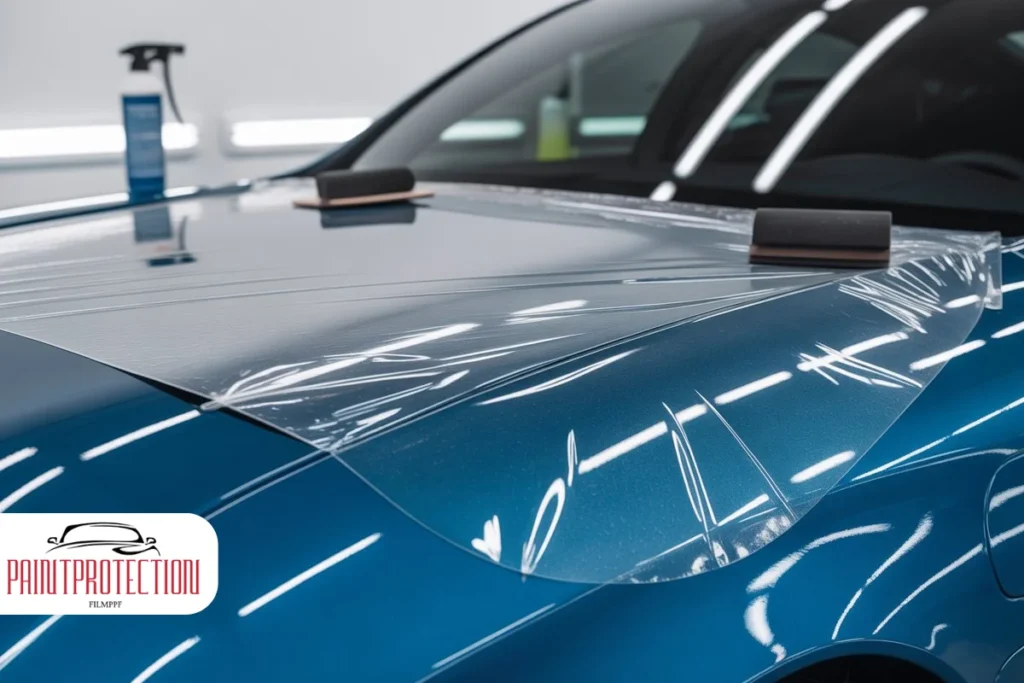
Self-healing film uses elastomeric polymers that allow minor scratches to disappear when exposed to heat from sunlight or warm water.
Other advanced features include:
- Hydrophobic top coatings
- UV-resistant layers
- Stain resistance
These features reduce maintenance and keep vehicles looking newer for longer.
Matte and Gloss Clear Paint Protection Film Ideas
Gloss Clear Paint Protection Film
Gloss PPF enhances shine while preserving factory paint.
Best for:
- Show cars
- Luxury vehicles
- Owners who want a polished finish
Matte Clear Paint Protection Film
Matte PPF offers protection while maintaining a satin or frozen look.
Best for:
- Factory matte paint
- Custom builds
- Drivers seeking a unique appearance
Both options provide the same level of protection, making the choice purely aesthetic.
Clear Paint Protection Film vs Ceramic Coating
A common question in 2026 is whether clear paint protection film or ceramic coating is the better option.
Clear Paint Protection Film
- Physical impact resistance
- Self-healing capabilities
- Thicker protective layer
Ceramic Coating
- Chemical resistance
- Easier cleaning
- Enhanced gloss
Many owners now combine both by installing PPF first and applying ceramic coating on top for added protection and shine.
Cost of Clear Paint Protection Film in the USA
Pricing varies based on coverage, vehicle size, and installer expertise.
Average price ranges in 2026:
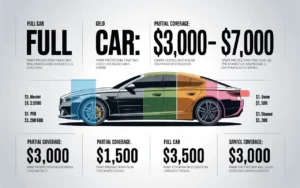
| Coverage Type | Estimated Cost |
|---|---|
| Partial Front | $800–$1,500 |
| Full Front | $1,800–$2,800 |
| Full Vehicle | $4,500–$7,500 |
While the initial cost may seem high, clear paint protection film often pays for itself by preventing repainting and preserving resale value.
Installation Tips and Mistakes to Avoid
Choose Professional Installation
DIY kits exist, but professional installation ensures:
- Proper alignment
- Clean edges
- Warranty protection
Avoid Cheap Film
Low-quality film can yellow, peel, or crack over time. Always choose reputable brands with proven durability.
Ask About Warranty
Quality clear paint protection film typically comes with 7 to 10-year warranties covering discoloration and cracking.
How to Choose the Right PPF Installer
In the USA, the installer matters as much as the film itself.
Look for:
- Certified training
- Portfolio of previous work
- Transparent pricing
- Customer reviews
A skilled installer ensures the film remains nearly invisible and performs as intended.
Long-Term Maintenance and Care
Maintaining clear paint protection film is simple.
Best practices include:
- Hand washing with mild soap
- Avoiding abrasive brushes
- Using PPF-safe detailing sprays
Proper care extends the life of the film and keeps it looking new for years.
Final Thoughts
Clear paint protection film ideas for 2026 focus on smarter coverage, better materials, and long-term value. Whether you drive a daily commuter, an electric vehicle, or a high-end performance car, PPF offers practical protection that aligns with modern driving needs.
With improved technology and flexible coverage options, clear paint protection film is no longer a luxury upgrade. It is a smart investment in vehicle longevity, appearance, and resale value.
FAQ
What does clear paint protection film do?
Clear paint protection film protects vehicle paint from rock chips, scratches, UV damage, and environmental contaminants.
How long does clear paint protection film last?
High-quality PPF typically lasts between 7 to 10 years with proper care.
Is clear paint protection film worth it in 2026?
Yes, especially due to thinner factory paint, higher vehicle values, and improved PPF technology.
Can clear paint protection film be removed safely?
Yes, professional removal does not damage factory paint when done correctly.
Should I choose full or partial paint protection film coverage?
The choice depends on budget, driving habits, and how long you plan to keep the vehicle.