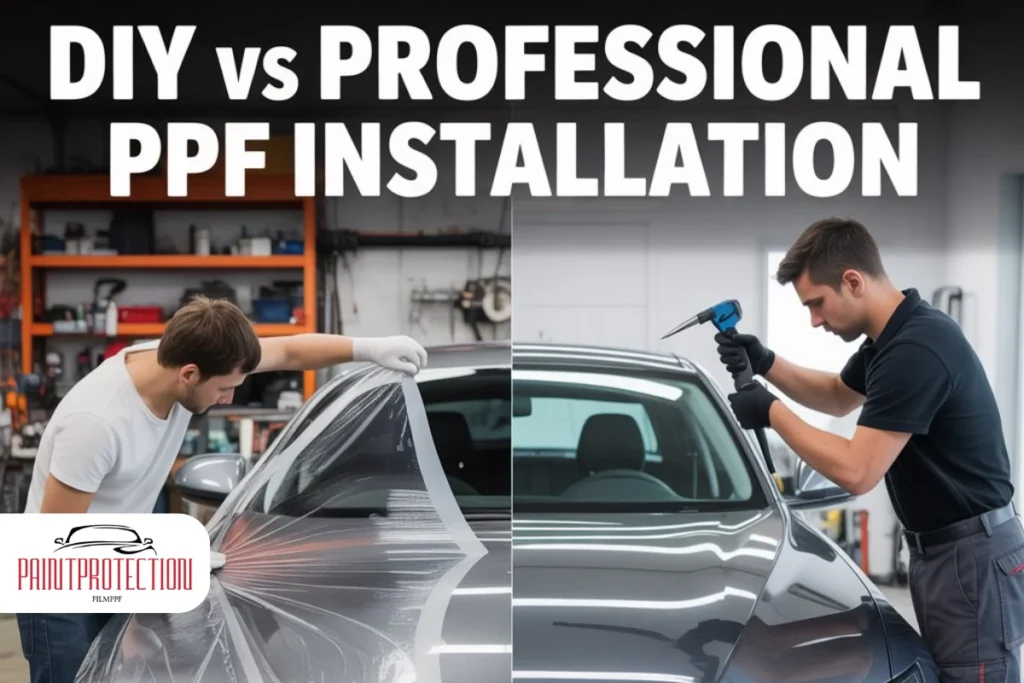
Paint Protection Film has become one of the smartest investments for car owners in 2026. With rising vehicle prices and long ownership cycles, protecting factory paint matters more than ever. This has led many drivers to the same question: DIY vs Professional PPF Installation, which option actually makes sense?
At first glance, installing PPF yourself looks tempting. Kits are cheaper, tutorials are everywhere, and the idea of saving thousands sounds appealing. On the other hand, professional PPF installation promises flawless results, longer lifespan, and peace of mind.
This guide breaks it all down in clear, practical terms. You will learn the real differences between DIY and professional PPF installation, including cost, quality, durability, risks, and who each option is best for in the USA, UK, France, and Germany.
If you are serious about protecting your car in 2026, this comparison will help you make a confident decision.
What Is Paint Protection Film and Why It Matters in 2026
Paint Protection Film, often called clear bra or PPF, is a transparent polyurethane film applied to a vehicle’s exterior. Its purpose is simple but powerful.
It protects paint from:
- Rock chips and road debris
- Scratches and swirl marks
- UV fading and oxidation
- Bug splatter, bird droppings, and chemicals
Modern PPF in 2026 has advanced significantly. Self-healing technology, hydrophobic coatings, and improved clarity are now standard across premium brands. Whether you drive a luxury sedan, performance car, or daily commuter, PPF helps preserve resale value and keeps your car looking new.
The real decision is not whether PPF is worth it. It is whether you should install it yourself or trust a professional.
Understanding DIY PPF Installation
DIY PPF installation means purchasing a pre-cut or bulk film kit and applying it yourself at home or in a garage. Many brands market DIY kits as beginner-friendly, especially for partial coverage like hoods, bumpers, or mirrors.
What a DIY PPF Kit Typically Includes
- Pre-cut paint protection film or bulk roll
- Slip solution and tack solution
- Squeegee and applicator tools
- Installation instructions or video access
Some kits are vehicle-specific, while others require manual trimming.
Pros of DIY PPF Installation
DIY installation does offer some real advantages, especially for certain types of car owners.
Lower Upfront Cost
Cost is the biggest reason people consider DIY vs professional PPF installation. DIY kits are far cheaper.
Typical DIY PPF cost in 2026:
- Partial kit: $150 to $400
- Full car DIY kit: $600 to $1,200
Compared to professional pricing, the savings are obvious.
Flexibility and Control
You can work at your own pace, choose which panels to protect, and redo sections if you are patient. Some enthusiasts enjoy the hands-on process and treat it as a weekend project.
Good for Small or Flat Panels
DIY PPF works best on:
- Door edges
- Side mirrors
- Headlights
- Flat hood sections
If expectations are realistic, DIY can be acceptable for limited areas.
Cons of DIY PPF Installation
This is where most people underestimate the challenge.
Steep Learning Curve
PPF installation is not just sticking film on paint. It requires:
- Proper surface preparation
- Correct solution ratios
- Heat control and stretching technique
- Precise alignment
Mistakes are common for beginners.
High Risk of Visible Defects
DIY installs often suffer from:
- Trapped air bubbles
- Stretch marks
- Lifted edges
- Contamination under film
- Uneven cuts
Once the film cures, these flaws are hard to fix.
Shorter Lifespan
Improper installation reduces durability. Edges lift sooner, dirt creeps underneath, and the film may discolor or peel within a year or two.
No Warranty or Limited Support
Most DIY PPF kits offer limited or no installation warranty. If something goes wrong, replacement is usually on you.
Understanding Professional PPF Installation
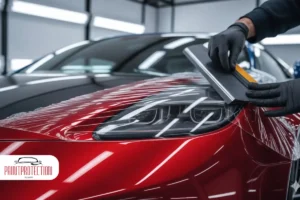
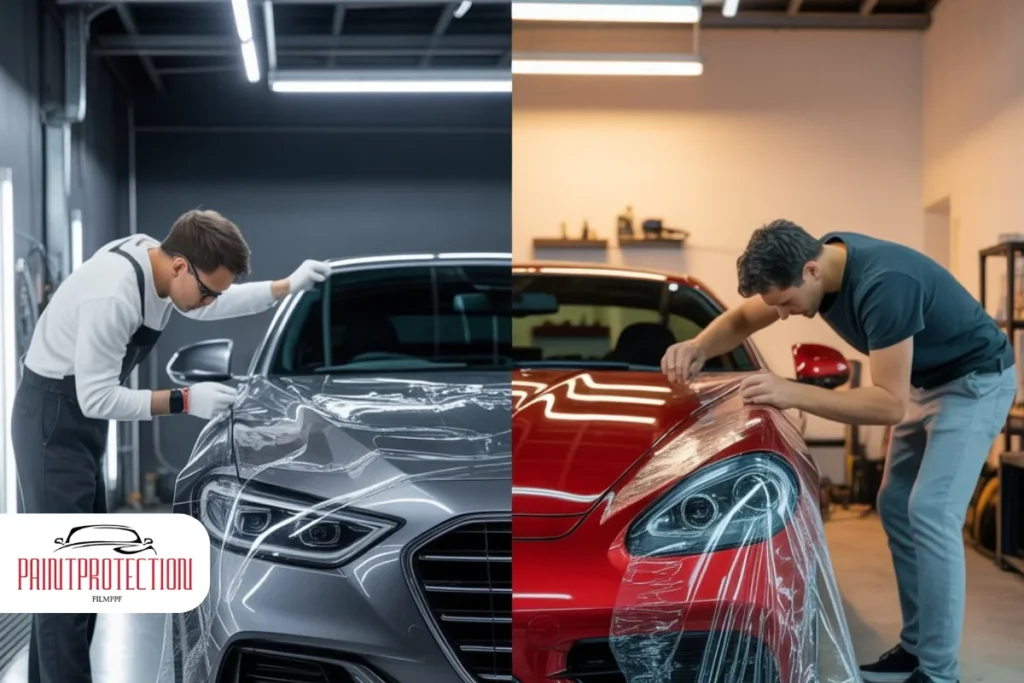
Professional PPF installation is performed by trained installers using controlled environments and premium materials. Certified shops follow strict processes to ensure long-term performance.
This option costs more, but it delivers consistent, high-quality results.
Pros of Professional PPF Installation
When comparing DIY vs professional PPF installation, these advantages matter most.
Superior Finish and Appearance
Professionals achieve:
- Seamless edges
- Minimal visible lines
- Perfect alignment
- No bubbles or contamination
On modern vehicles with complex curves, this difference is immediately noticeable.
Long-Term Durability
Professionally installed PPF typically lasts:
- 7 to 10 years with proper care
Edges stay sealed, self-healing works as intended, and clarity remains high.
Access to Premium Film Brands
Professional shops use top-tier films like:
- XPEL Ultimate Plus
- STEK DynoShield
- SunTek Reaction
- 3M Pro Series
These films often are not available in consumer DIY kits.
Warranty and Aftercare
Most professional installs include:
- Manufacturer warranty
- Installation guarantee
- Post-install inspections
This adds trust and long-term value.
Cons of Professional PPF Installation
Professional PPF is not perfect for everyone.
Higher Cost
Professional pricing in 2026 typically ranges from:
- Partial front: $1,200 to $2,000
- Full front end: $1,800 to $2,800
- Full car PPF: $4,500 to $7,500
Prices vary by country, vehicle size, and film type.
Scheduling and Downtime
Your car may need to stay at the shop for one to three days. For some owners, this inconvenience matters.
DIY vs Professional PPF Installation Cost Comparison
| Factor | DIY PPF Installation | Professional PPF Installation |
|---|---|---|
| Initial Cost | Low | High |
| Tools Required | Basic | Advanced |
| Installation Time | Long | Short |
| Finish Quality | Inconsistent | High-end |
| Durability | 1–3 years | 7–10 years |
| Warranty | Limited or none | Full warranty |
| Risk Level | High | Low |
Skill Level and Experience Required
DIY Skill Requirements
To succeed with DIY PPF installation, you need:
- Strong attention to detail
- Patience and time
- Clean working environment
- Willingness to redo mistakes
Most first-time installers struggle with bumpers and curved panels.
Professional Expertise
Professional installers train for years. They understand film behavior, paint types, and environmental control. This expertise directly impacts the final result.
When DIY PPF Installation Makes Sense
DIY can be the right choice if:
- You are protecting a budget or older vehicle
- You only want partial coverage
- You enjoy hands-on projects
- Appearance perfection is not critical
For many daily drivers, DIY on small areas is acceptable.
When Professional PPF Installation Is the Better Choice
Professional installation is strongly recommended if:
- You own a new, luxury, or performance vehicle
- You want full front or full car coverage
- Long-term protection matters
- Resale value is a priority
In these cases, cutting corners often costs more later.
Country-Specific Considerations for 2026
USA
PPF is widely available, with competitive pricing and many certified installers. DIY kits are popular but professional installs dominate luxury markets.
UK
Higher labor costs make DIY appealing, but weather conditions increase installation risk without a controlled environment.
France
Professional PPF is growing fast, especially among premium car owners. DIY adoption is lower due to limited local support.
Germany
Precision standards are high. Professional PPF installation is strongly favored, especially for German performance vehicles.
Common Mistakes in DIY PPF Installation
Avoid these frequent errors:
- Skipping proper paint decontamination
- Installing in dusty environments
- Overstretching the film
- Cutting film directly on paint
- Rushing the curing process
These mistakes often lead to early failure.
PPF Maintenance Differences
DIY-installed PPF requires more frequent checks for lifting edges and contamination. Professional installs tend to be more forgiving and easier to maintain.
Basic PPF care includes:
- Hand washing only
- Avoiding harsh chemicals
- No automatic car washes for first two weeks
The Real Verdict on DIY vs Professional PPF Installation
The debate over DIY vs professional PPF installation comes down to expectations and priorities.
DIY saves money but increases risk. Professional installation costs more but delivers long-term value, better aesthetics, and peace of mind.
For most car owners in 2026, professional PPF installation remains the smarter investment. DIY works best as a limited, budget-focused solution rather than a full replacement for expert work.
Final Thought
Choosing between DIY vs Professional PPF Installation in 2026 is really about how much risk you are willing to take with your vehicle’s paint. DIY installation can work for small areas and budget-focused projects, but it demands patience, skill, and realistic expectations. One small mistake can affect both appearance and protection.
Professional PPF installation costs more upfront, but it delivers cleaner results, longer lifespan, and real peace of mind. For newer cars, luxury vehicles, or anyone planning to keep their car looking its best for years, professional installation is usually the smarter long-term choice.
In the end, the best option is the one that matches your car’s value, your experience level, and how important flawless protection is to you.
FAQ About DIY vs Professional PPF Installation
1. Is DIY PPF installation worth it in 2026?
DIY PPF installation can be worth it for small areas or older vehicles. For full coverage or new cars, professional installation offers better results and durability.
2. How long does DIY PPF last compared to professional PPF?
DIY-installed PPF typically lasts 1 to 3 years. Professionally installed PPF can last 7 to 10 years with proper maintenance.
3. Can I redo a DIY PPF installation if I make mistakes?
Minor adjustments are possible during installation, but once cured, removing and reinstalling often damages the film and increases cost.
4. Does professional PPF installation increase resale value?
Yes. A professionally installed PPF helps preserve paint condition, which can positively impact resale or trade-in value.
5. What is the biggest risk of DIY vs professional PPF installation?
The biggest risk with DIY is poor adhesion and visible defects. Professional installation minimizes these risks through experience, tools, and controlled environments.