Paint Protection Film, commonly known as PPF, is a smart investment for protecting your vehicle’s paint. But what happens when that film ages, turns yellow, or starts peeling? Many car owners ask the same question: how to remove PPF safely without damaging the paint underneath.
In this 2026 guide, we will walk you through How to Remove PPF 2026 style, using updated techniques, real-world tips, and professional insights. Whether you are dealing with fresh film or stubborn, old material, this article is written for USA car owners who want clean results and zero regrets.
What Is PPF and Why Does It Need Removal?
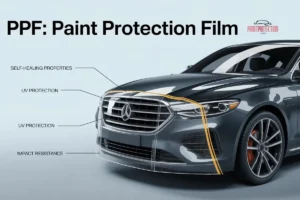
PPF is a clear polyurethane film applied to areas like the hood, bumper, mirrors, and fenders. It protects against rock chips, scratches, and UV damage. Over time, even high-quality film wears out.
Common reasons to remove PPF:
- Yellowing or discoloration
- Peeling edges or bubbling
- Cracks from age or sun exposure
- Preparing for new PPF installation
- Selling the vehicle and improving appearance
If you delay removal too long, the adhesive can harden, making the job more difficult and risky for your paint.
How to Remove PPF 2026: Before You Start
Before jumping into the removal process, preparation is key. This applies whether you are learning how to remove PPF from car surfaces at home or supervising a professional job.
Tools and supplies you will need:
- Heat gun or hair dryer
- Plastic razor blade or trim tool
- Microfiber towels
- Automotive adhesive remover
- Car wash soap
- Isopropyl alcohol diluted with water
Important tip: Never use metal blades or sharp tools. They can permanently scratch or cut the clear coat.
Step-by-Step: How to Remove PPF from Car Safely
Step 1: Wash the Vehicle Thoroughly
Start with a clean surface. Dirt trapped under the film can scratch the paint during removal.
- Use a pH-neutral car shampoo
- Dry the area completely before applying heat
Step 2: Apply Controlled Heat
Heat is the most important part of removing PPF safely.
- Use a heat gun on low or a strong hair dryer
- Warm a small section at a time
- The film should feel flexible, not hot
This step softens the adhesive and reduces the risk of paint damage.
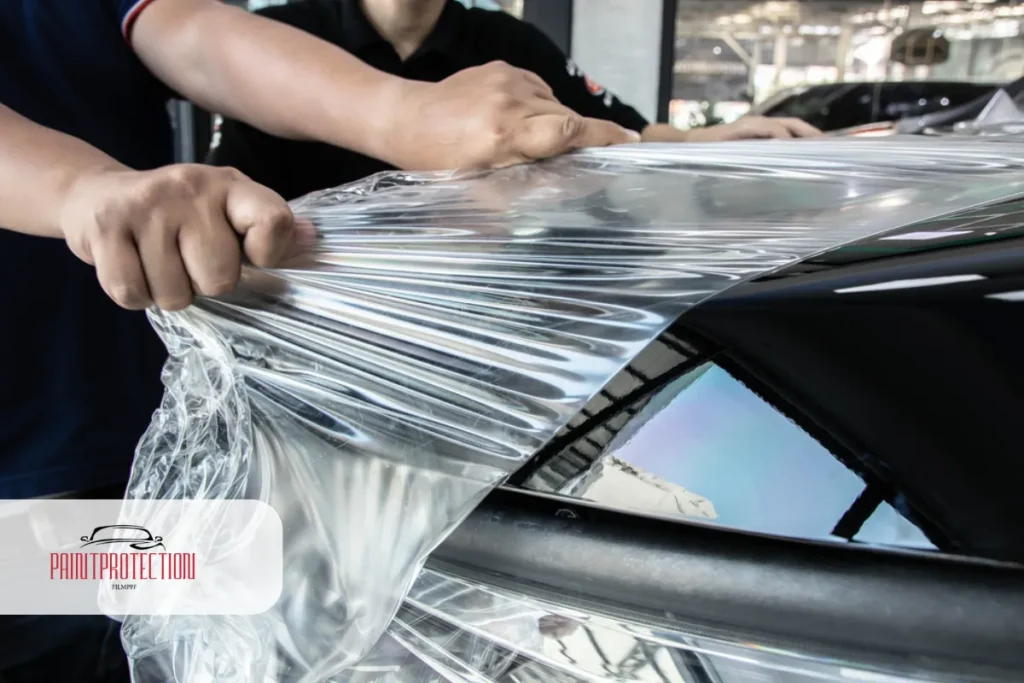
Step 3: Lift the Edge Carefully
Once heated, gently lift a corner of the PPF.
- Use your fingers or a plastic razor blade
- Pull at a 30 to 45-degree angle
- Go slow and steady
Rushing is the biggest mistake people make when learning how to remove PPF from car panels.
Step 4: Peel the Film Slowly
Continue heating ahead of where you are pulling.
- Keep tension even
- Do not yank or snap the film
- Reheat if resistance increases
If the film tears, stop and reheat before continuing.
Step 5: Remove Adhesive Residue
After the film is off, adhesive residue is normal.
- Spray automotive adhesive remover
- Let it dwell for 1 to 2 minutes
- Wipe gently with microfiber towels
Finish with a light isopropyl alcohol wipe to prep the surface.
How to Remove Old PPF Without Damaging Paint
Old PPF is the hardest to remove. Many car owners search specifically for how to remove old PPF because the adhesive becomes brittle over time.
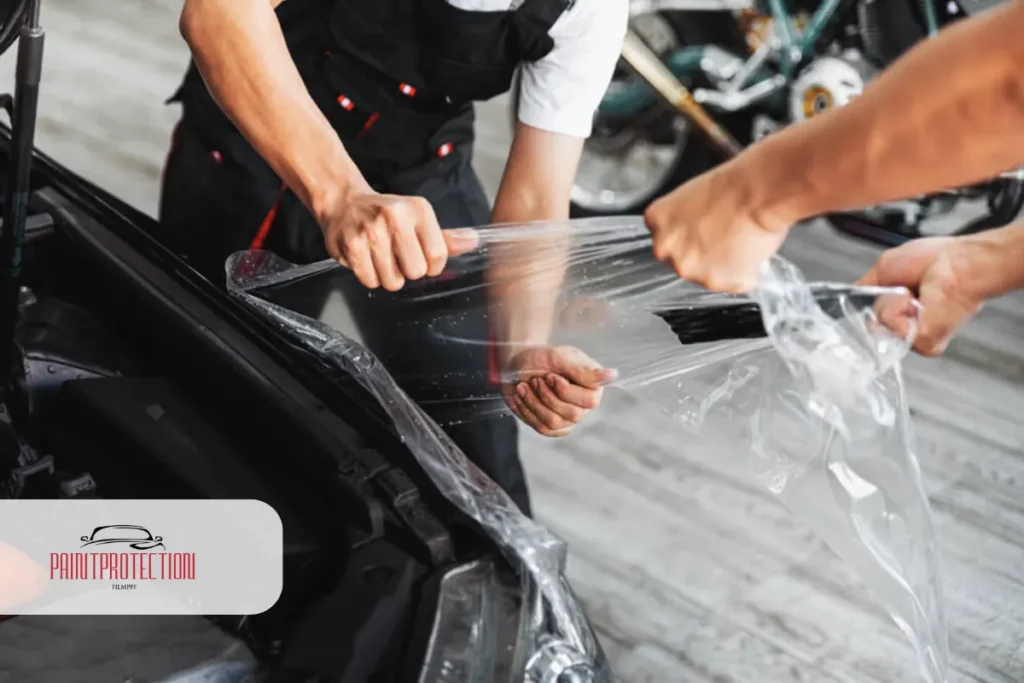
Extra tips for old or neglected film:
- Work in warm weather or a heated garage
- Use more heat than usual, but never overheat
- Peel smaller sections instead of large sheets
- Expect more adhesive cleanup time
In some cases, old PPF may leave behind ghost lines or uneven gloss. These usually disappear with light polishing.
Common Mistakes to Avoid When Removing PPF
Even careful car owners make mistakes. Avoid these common errors to protect your investment.
- Skipping the wash step
- Pulling the film cold
- Using sharp metal tools
- Applying too much heat in one spot
- Using household chemicals like acetone
Learning How to Remove PPF 2026 correctly means respecting both the film and your vehicle’s paint system.
DIY vs Professional PPF Removal
You may be wondering whether to do it yourself or hire a pro.
DIY removal makes sense if:
- The PPF is less than 3 years old
- You have basic tools and patience
- The film is not heavily cracked or baked on
Professional removal is better if:
- The film is very old or severely damaged
- The vehicle has repainted panels
- You plan to install new PPF immediately
In the USA, professional PPF removal typically costs between $200 and $600 depending on coverage and condition.
What to Do After PPF Removal
Once the film is removed, do not stop there.
Post-removal best practices:
- Wash the area again
- Inspect for paint correction needs
- Apply wax, sealant, or ceramic coating
- Schedule new PPF installation if needed
Freshly exposed paint is vulnerable, especially if the PPF was on the car for years.
Is It Safe to Remove PPF in 2026?
Yes, with modern adhesives and updated techniques, How to Remove PPF 2026 is safer than ever. Most factory paints in the USA can handle proper removal without issues, as long as correct heat and tools are used.
However, repainted panels always carry more risk. If you are unsure, consult a detailing professional.
Final Thought: Remove PPF the Right Way
Knowing how to remove PPF from car surfaces properly can save you money, protect your paint, and improve your vehicle’s appearance. Whether you are dealing with fresh film or researching how to remove old PPF, patience and preparation make all the difference.
If your PPF is showing signs of age, do not wait too long. Remove it safely, protect the paint underneath, and consider upgrading to newer film technology for long-term protection.
If you want professional results or plan to reinstall PPF, reach out to a trusted automotive detailing shop in your area. Your car will thank you for it.
FAQs
1. Can I remove PPF without damaging my car’s paint?
Yes. When proper heat, safe tools, and slow peeling techniques are used, PPF can be removed without harming factory paint.
2. How long does it take to remove PPF from a car?
Partial PPF removal usually takes 1 to 2 hours. Full vehicle removal can take 3 to 6 hours depending on film age and condition.
3. Is it harder to remove old PPF?
Yes. Old PPF has hardened adhesive, making it more difficult to remove and often requiring extra heat and adhesive remover.
4. Do I need professional help to remove PPF?
Not always. Newer PPF can be removed at home, but very old, cracked, or repainted surfaces are safer to handle professionally.
5. Should I install new PPF after removal?
It’s recommended. Fresh PPF protects exposed paint from chips, scratches, and UV damage, especially after old film is removed.