If you are asking is paint protection film worth it, you are not alone. More car owners in the USA are considering PPF in 2026 than ever before. With rising vehicle prices, longer ownership cycles, and thinner factory paint, protecting your car’s exterior has become a serious consideration, not just a cosmetic upgrade.
Paint protection film, often called a clear bra, promises to shield your car from rock chips, scratches, road debris, and UV damage. But it is not cheap. That leads to the real question. Is it actually worth the investment, or is it just an expensive add-on pushed by detail shops?
This guide breaks it all down in a clear, honest way. Costs, benefits, drawbacks, real-world scenarios, and whether PPF makes sense for your car in 2026.
What Is Paint Protection Film?
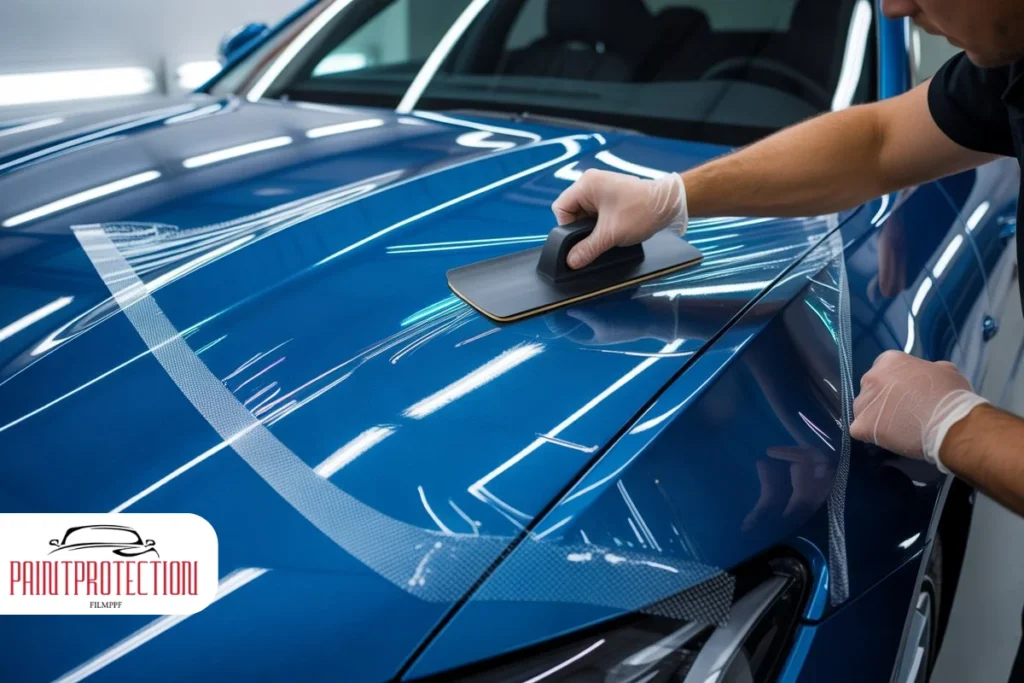
Paint protection film is a transparent polyurethane film applied to a vehicle’s painted surfaces. It acts as a physical barrier between your paint and everyday hazards like gravel, insects, salt, and minor abrasions.
Modern PPF in 2026 has come a long way compared to older versions. Today’s high-quality films offer:
- Self-healing technology that removes light scratches with heat
- UV resistance to prevent paint fading
- Hydrophobic top layers for easier cleaning
- Optical clarity that does not dull paint
You can apply PPF to high-impact areas like the front bumper and hood, or wrap the entire vehicle for full coverage.
Why So Many Drivers Are Asking If Paint Protection Film Is Worth It in 2026
Several trends are driving interest in PPF right now.
First, car prices are significantly higher than they were just a few years ago. Even average sedans now cost what luxury cars used to. Protecting that investment feels more justified.
Second, factory paint quality has changed. Environmental regulations have led to thinner, softer clear coats that chip more easily.
Third, people are keeping cars longer. Instead of trading in after three years, many drivers plan to keep their vehicles for seven to ten years or more.
All of this makes exterior protection more relevant than ever.
How Much Does Paint Protection Film Cost in the USA?
Cost is usually the biggest deciding factor when asking is paint protection film worth it.
Here is what most drivers can expect in 2026.
Average PPF Installation Costs
| Coverage Area | Typical Price Range |
|---|---|
| Partial front (bumper, mirrors) | $800 to $1,500 |
| Full front end | $1,800 to $3,000 |
| Track package (high impact areas) | $2,000 to $3,500 |
| Full vehicle wrap | $5,000 to $8,000 |
Prices vary based on vehicle size, film brand, installer experience, and location.
Luxury SUVs, trucks, and complex body shapes cost more due to labor and material requirements.
The Real Benefits of Paint Protection Film
To decide if paint protection film is worth it, you need to understand what you actually gain from it.
Protection From Rock Chips and Road Debris
This is PPF’s strongest advantage. Highways, construction zones, and winter roads are brutal on paint. Even careful drivers cannot avoid flying debris.
PPF absorbs the impact that would otherwise chip your clear coat.
Self-Healing Scratch Resistance
Modern films can heal light swirl marks and scratches when exposed to heat, such as sunlight or warm water. This keeps your paint looking newer for longer.
Preserves Vehicle Resale Value
Cars with original, undamaged paint often sell faster and for more money. Buyers notice rock chips and repaint work immediately.
PPF helps maintain factory paint condition, which matters for:
- Luxury vehicles
- Sports cars
- Leased vehicles
- Collector models
Invisible Protection When Installed Correctly
High-quality paint protection film is nearly invisible. It does not change the color or gloss of your paint when applied by a skilled installer.
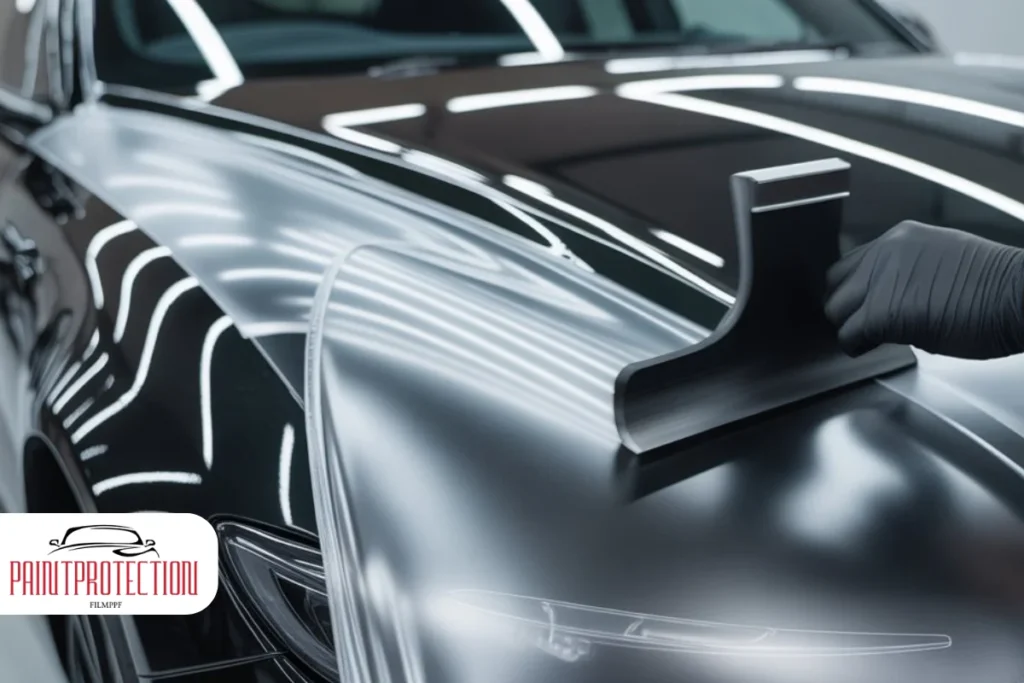
You can also choose matte paint protection film if you want a satin finish without repainting.
Long Lifespan
Most premium films last between 7 and 10 years with proper care. That spreads the cost over a long period of ownership.
Downsides You Should Consider Before Installing PPF
No product is perfect. Being realistic is important when evaluating if paint protection film is worth it for you.
High Upfront Cost
PPF is expensive, especially full vehicle coverage. For some drivers, the cost simply does not make sense relative to the car’s value.
Not Completely Damage-Proof
Paint protection film does not stop everything. Deep impacts, major accidents, and sharp objects can still damage paint.
Think of PPF as impact resistance, not invincibility.
Installation Quality Matters a Lot
Poor installation can lead to visible edges, bubbles, peeling, or dirt trapped under the film. This can actually make the car look worse.
Choosing an experienced installer is critical.
Maintenance Still Required
PPF reduces damage, but it does not eliminate maintenance. You still need to wash your car properly and avoid harsh chemicals.
Is Paint Protection Film Worth It for Different Types of Drivers?
The answer depends heavily on how you use your car.
Daily Commuters
If you drive long highway miles or commute through construction-heavy areas, PPF makes sense, especially for the front end.
A partial or full front package often offers the best value.
Luxury and Performance Car Owners
For luxury vehicles, sports cars, and high-end SUVs, paint protection film is often worth it. Repairing or repainting damaged paint on these cars is expensive.
PPF helps preserve appearance and resale value.
Leased Vehicles
PPF can be worth it on leases, particularly if the lease return penalties for paint damage are high. Front-end protection can help avoid surprise fees.
Budget Vehicles and Older Cars
For older cars or vehicles with low resale value, full PPF is usually not worth it. The cost may exceed the value you get back.
In these cases, selective coverage or skipping PPF altogether makes more sense.
Paint Protection Film vs Ceramic Coating
Many people confuse these two products, so let’s clarify.
Key Differences
| Feature | Paint Protection Film | Ceramic Coating |
|---|---|---|
| Physical impact protection | Yes | No |
| Scratch resistance | High | Low |
| Hydrophobic properties | Yes | Yes |
| Cost | Higher | Lower |
| Thickness | Thick film | Microscopic layer |
Ceramic coating enhances gloss and makes cleaning easier. It does not stop rock chips or scratches.
PPF physically absorbs impacts. Many owners choose to apply ceramic coating on top of PPF for added benefits.
Is Paint Protection Film Worth It in 2026 Compared to Repainting?
Repainting modern vehicles is expensive and often imperfect.
Factory paint is difficult to replicate. Even high-quality resprays can reduce resale value and raise red flags for buyers.
In many cases, installing PPF early is cheaper than:
- Repainting bumpers
- Touch-up work over time
- Loss in resale value
From a long-term cost perspective, PPF can be a preventive investment rather than an expense.
How Long Does Paint Protection Film Last?
Most premium brands like XPEL, 3M, and SunTek offer warranties ranging from 7 to 10 years.
With proper care, PPF can last even longer without yellowing or cracking.
Factors that affect lifespan include:
- Climate and sun exposure
- Washing habits
- Installation quality
In most US climates, PPF holds up well through daily use.
When Paint Protection Film Is Not Worth It
PPF is not for everyone.
It may not be worth it if:
- You plan to sell the car within one year
- The car already has poor paint condition
- The vehicle value is very low
- You rarely drive or keep the car garaged full-time
Being honest about your situation helps avoid regret.
Final Verdict: Is Paint Protection Film Worth It?
So, is paint protection film worth it in 2026?
For many drivers in the USA, yes. Especially if you own a newer, expensive, or long-term vehicle and care about maintaining its appearance.
It is not just about looks. It is about avoiding future repair costs, preserving resale value, and reducing stress over everyday damage.
If budget allows and you choose a reputable installer, paint protection film remains one of the most effective ways to protect your car’s exterior in 2026.
FAQ
Is paint protection film worth it for daily drivers?
Yes, especially for highway commuters. Front-end PPF helps prevent rock chips and road damage from daily use.
How long does paint protection film last?
High-quality PPF typically lasts 7 to 10 years with proper maintenance and care.
Does PPF increase resale value?
It helps preserve original paint, which can improve resale appeal and reduce buyer concerns.
Can paint protection film be removed?
Yes. Professional removal does not damage factory paint when done correctly.
Is PPF better than ceramic coating?
PPF offers physical protection, while ceramic coating focuses on gloss and ease of cleaning. They serve different purposes.