North carolina window tint law changes 2026 are important for anyone driving or owning a vehicle in the state. Whether your car already has tinted windows or you are planning to install new tint, understanding these updates can save you from fines, inspection failure, and unnecessary stress.
The north carolina window tint law changes 2026 focus on clearer enforcement, stricter inspection checks, and better consistency across counties. This guide explains everything in simple language so you know exactly where you stand.
Overview of North Carolina Window Tint Laws
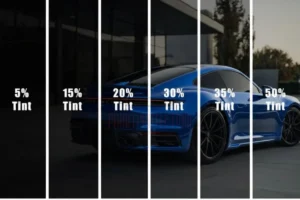
North Carolina regulates window tint based on Visible Light Transmission (VLT). VLT measures how much light passes through your car windows.
Lower VLT means darker tint.
The north carolina window tint law changes 2026 continue to use VLT as the primary measurement while tightening how it is checked during inspections and traffic stops.
What’s New in North Carolina Window Tint Law Changes 2026
The north carolina window tint law changes 2026 are not about dramatically changing tint percentages. Instead, they improve clarity and enforcement.
Key updates include:
- More consistent VLT testing during annual inspections
- Clear distinction between factory glass and aftermarket tint
- Stronger enforcement of windshield tint placement
- Reduced tolerance for reflective or mirrored tint
- Uniform standards across inspection stations
These updates reduce confusion and make enforcement fair statewide.
Legal Window Tint Percentages in North Carolina (2026)
Under the north carolina window tint law changes 2026, legal tint limits remain strict.
Passenger Cars
- Windshield: Non-reflective tint above AS-1 line only
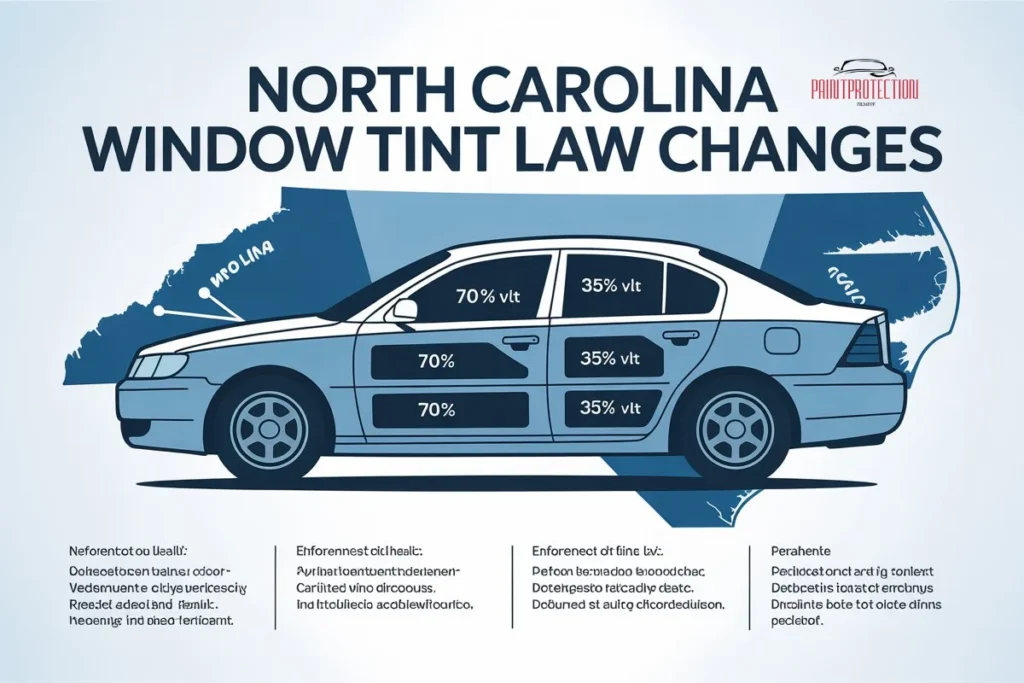
- Front side windows: Minimum 35% VLT
- Back side windows: Minimum 35% VLT
- Rear window: Minimum 35% VLT
SUVs and Trucks
- Windshield: Non-reflective tint above AS-1 line
- Front side windows: 35% VLT
- Back side windows: 35% VLT
- Rear window: 35% VLT
Unlike other states, North Carolina does not allow darker rear tint on SUVs.
Windshield Tint Rules Under North Carolina Window Tint Law Changes 2026
Windshield tint violations are the most common issue under the north carolina window tint law changes 2026.
What is allowed:
- Tint only above the AS-1 line
- Non-reflective film
- Light shading, not dark tint
Common mistakes drivers make:
- Tint extending below AS-1 line
- Full windshield ceramic tint
- Assuming medical exemptions apply automatically
Inspectors in 2026 are paying closer attention to windshield tint placement.
Medical Exemptions After North Carolina Window Tint Law Changes 2026
Medical exemptions are still allowed under the north carolina window tint law changes 2026, but approval is required.
Important points:
- Must be approved by NC DMV
- Requires medical documentation
- Exemption certificate must stay in vehicle
- Does not allow extreme darkness
Even with approval, unsafe or reflective tint may still fail inspection.
Penalties and Inspection Issues in 2026
Violating the north carolina window tint law changes 2026 can result in:
- Fix-it tickets
- Fines depending on county
- Failed annual inspection
- Mandatory tint removal
Tint violations are often used as a secondary reason for traffic stops, making compliance more important than ever.
How to Check If Your Tint Is Legal
To stay compliant with north carolina window tint law changes 2026, you should:
- Visit a certified tint shop for VLT testing
- Ask inspection stations to measure tint
- Check combined factory glass and film VLT
- Keep tint documentation and receipts
Remember, factory glass already blocks light, and tint adds to that reduction.
Practical Tips to Stay Compliant Long-Term
Experienced installers recommend:
- Choosing 38%–40% tint for safety margin
- Avoiding mirrored or metallic films
- Rechecking tint after windshield replacement
- Keeping exemption paperwork accessible
These tips help you stay compliant with north carolina window tint law changes 2026 without sacrificing comfort.
Final Thoughts for North Carolina Drivers
The north carolina window tint law changes 2026 are designed to improve safety and consistency, not to punish responsible drivers.
If your tint meets legal limits, you should not worry. If you are planning new tint, staying slightly above the minimum is the safest approach.
Legal tint saves money, avoids tickets, and keeps inspections stress-free.
FAQs
Is 20% tint legal under north carolina window tint law changes 2026?
No. Any tint darker than 35% VLT is illegal.
Can I tint my entire windshield in North Carolina?
No. Only above the AS-1 line is allowed.
Will illegal tint fail inspection in 2026?
Yes. Inspection enforcement is stricter under the updated rules.
Do out-of-state vehicles follow NC tint laws?
Only NC-registered vehicles must follow NC rules.