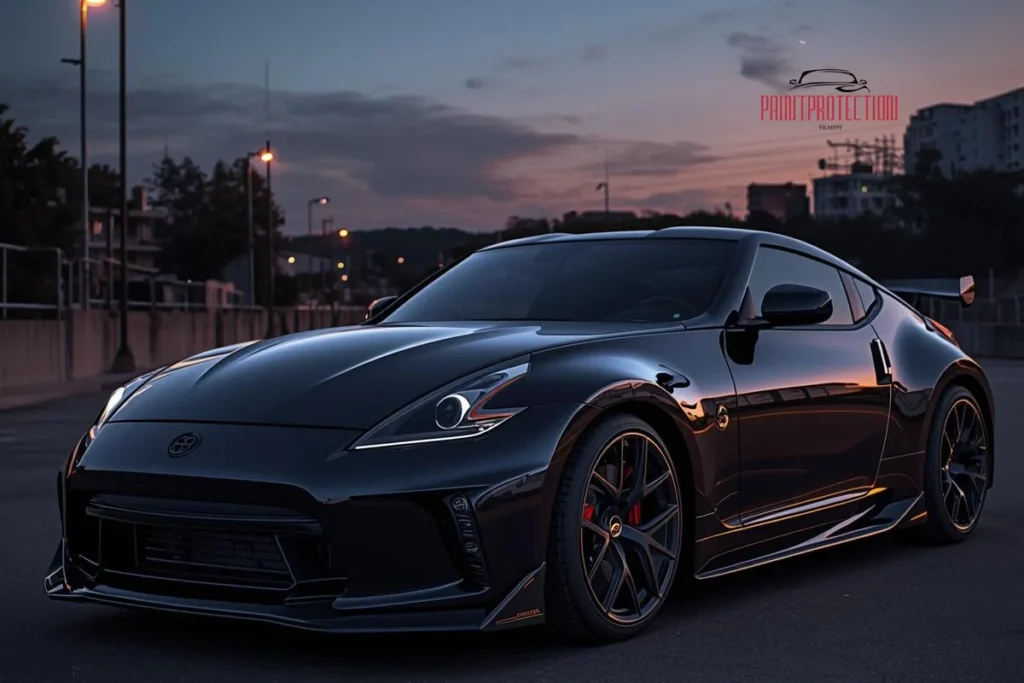
Finding the best paint protection film near me USA is not just about choosing the closest shop; it is about protecting your vehicle’s resale value and aesthetic appeal with long-term solutions. In 2026, the technology behind PPF (clear bra) has evolved, offering unprecedented self-healing and hydrophobic properties. This guide provides an in-depth look at how to find certified installers, the costs involved, and the technical benefits of modern films.
Why Search for Paint Protection Film (PPF) Near Me in the USA?
When vehicle owners in the United States search for PPF services, they are looking for more than a shiny car. PPF acts as a high-density polyurethane barrier against road debris, stone chips, and acidic bird droppings. Searching locally ensures you can visit the shop for warranty inspections and maintenance, which is crucial for films that last 7 to 10 years.
The Science of Protection: How 2026 PPF Technology Works
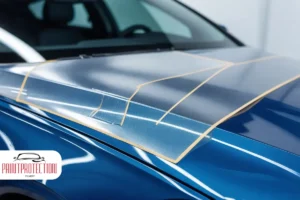
Modern Paint Protection Film is no longer just a “sticker.” It is composed of multiple layers, primarily Thermoplastic Polyurethane (TPU). This material is resilient and flexible.
- Self-Healing Layer: Using heat from the sun or your engine, swirl marks and light scratches literally disappear.
- UV Resistance: High-quality films in the USA are now engineered to prevent the yellowing caused by intense UV exposure in sun-belt states like Florida, Texas, and Arizona.
Key Benefits of Installing Paint Protection Film Near Me
Investing in PPF near your location offers several logistical and technical advantages:
- Rock Chip Prevention: Essential for highway driving in the USA.
- Chemical Stain Resistance: Protection against magnesium chloride and road salts used in snowy states.
- Ease of Cleaning: Hydrophobic top coats mean dirt and grime wash off with minimal effort.
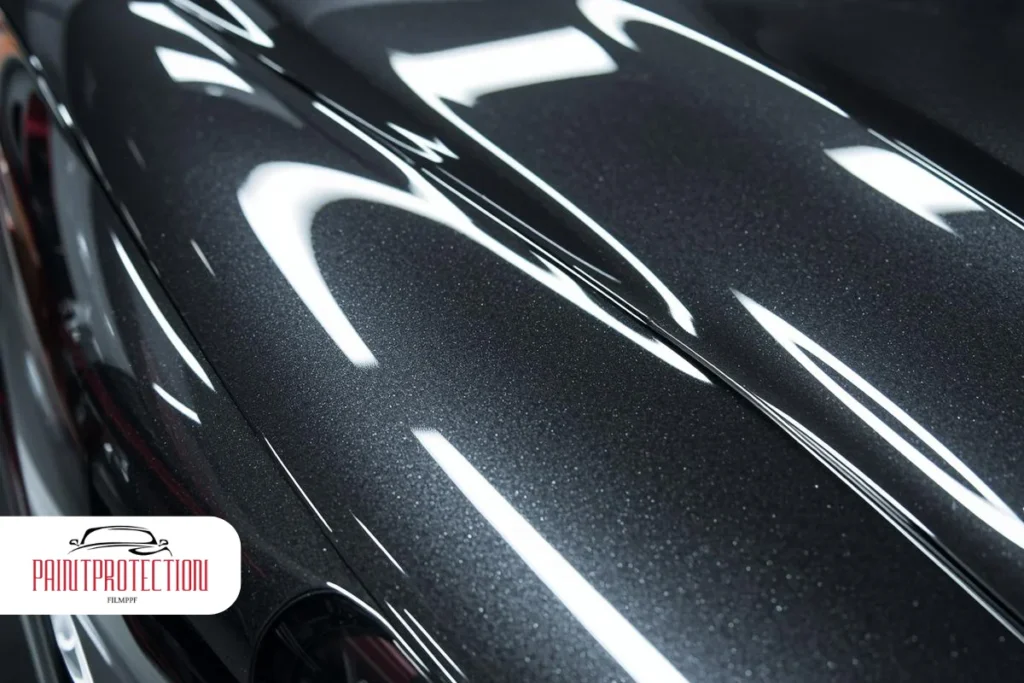
- Enhanced Gloss: Modern films can actually improve the depth of your factory paint.
How Much Does Paint Protection Film Cost in the USA? (2026 Pricing)
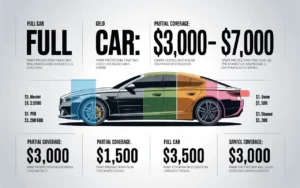
The cost of paint protection film near me USA varies based on the coverage level and the labor rates in your specific state.
| Coverage Type | Estimated Cost (USD) | Best For |
| Partial Front End | $600 – $1,200 | Commuter cars, budget-friendly |
| Full Front End | $1,500 – $2,500 | Sports cars, daily drivers |
| Full Body Wrap | $4,500 – $8,000 | Luxury, exotic, and collector cars |
| Track Pack | $2,000 – $3,500 | High-impact areas for performance vehicles |
Factors Influencing PPF Pricing in the United States
Several variables will dictate the final quote you receive from a local installer:
- Vehicle Size: A Ford F-150 requires more material and labor than a Tesla Model 3.
- Paint Condition: If your car has existing scratches, it will require “Paint Correction” before the film is applied.
- Film Quality: Premium films with a 10-year warranty cost more than entry-level 5-year films.
- Installer Experience: Master installers in cities like Los Angeles or New York often charge a premium for their precision.
Full Body vs. Partial Front: Which Package Should You Choose?
Most USA-based shops offer tiered packages. A Partial Front covers the bumper and part of the hood, while a Full Front covers the entire hood and fenders. For those seeking “invisible” protection, a Full Body wrap is the gold standard, ensuring every painted surface is shielded from the elements.
How to Identify a Certified PPF Installer Near You
Not all shops are equal. When looking for paint protection film near me USA, verify the following:
- Manufacturer Certification: Ensure they are authorized to install brands like XPEL, 3M, or SunTek.
- Clean Room Environment: Dust is the enemy of PPF. The shop should have a dedicated, dust-controlled bay.
- Portfolio: Ask for high-resolution photos of their “edge-wrapping” work.
- Warranty Registration: A professional shop will provide you with a digital or physical warranty card.
Comparing PPF with Ceramic Coating: Do You Need Both?
A common question in the USA automotive market is whether to choose PPF or Ceramic Coating.
- PPF: Protects against physical impact (stones, scratches).
- Ceramic Coating: Protects against chemical stains and adds extreme gloss but cannot stop a rock chip.
- The Hybrid Approach: Many professionals recommend applying a ceramic coating over the PPF for the ultimate “armored” finish.
Maintenance Tips for Your New Paint Protection Film
To ensure your film lasts its full lifespan, follow these USA-pro tips:
- Wait to Wash: Do not wash the vehicle for 7 days after installation to allow the adhesive to cure.
- Avoid Pressure Washers: Keep high-pressure nozzles at least 12 inches away from the edges of the film.
- Use Film-Safe Wax: Avoid waxes containing petroleum or solvents which can degrade the TPU.
Regional Considerations for USA Vehicle Owners
The American climate varies wildly, and your PPF needs might change depending on where you live:
- Southern States (CA, NV, AZ): Focus on high UV resistance to prevent oxidation.
- Northern States (NY, MI, IL): Focus on salt and chemical resistance for winter driving.
- Coastal Regions (FL, SC): Protection against salt air and humidity is paramount.
The Evolution of PPF: From Helicopter Tape to Automotive Shield
To understand why searching for paint protection film near me USA is so popular today, we must look at its origins. Originally developed during the Vietnam War to protect helicopter rotor blades from debris, the technology has transitioned into the automotive world.
In 2026, we use TPU (Thermoplastic Polyurethane) of the highest grade. Unlike the old PVC-based films that used to turn yellow and crack within two years, modern TPU is breathable. This means that while it protects the paint, it allows the paint to “gas out” naturally, preventing moisture buildup or oxidation underneath the film.
Technical Comparison: Gloss vs. Matte (Stealth) PPF Options
One major trend in the USA automotive scene is the rise of Matte or “Stealth” films. When looking for an installer, you need to decide which aesthetic goal you have:
- Gloss Finish PPF: This is virtually invisible. It enhances the factory shine of your car. If you have a metallic or pearl paint job, gloss PPF will make the “flake” pop even more.
- Matte/Satin Finish PPF: This can transform your glossy car into a sleek, frozen, or matte look without a permanent paint job. It is highly popular for Tesla and BMW owners in states like California and Florida.
The “Edge Wrapping” Technique: Why Precision Matters
As a professional content writer, I must emphasize that installation technique is as important as the film itself. When interviewing local shops in the USA, ask about their cutting method:
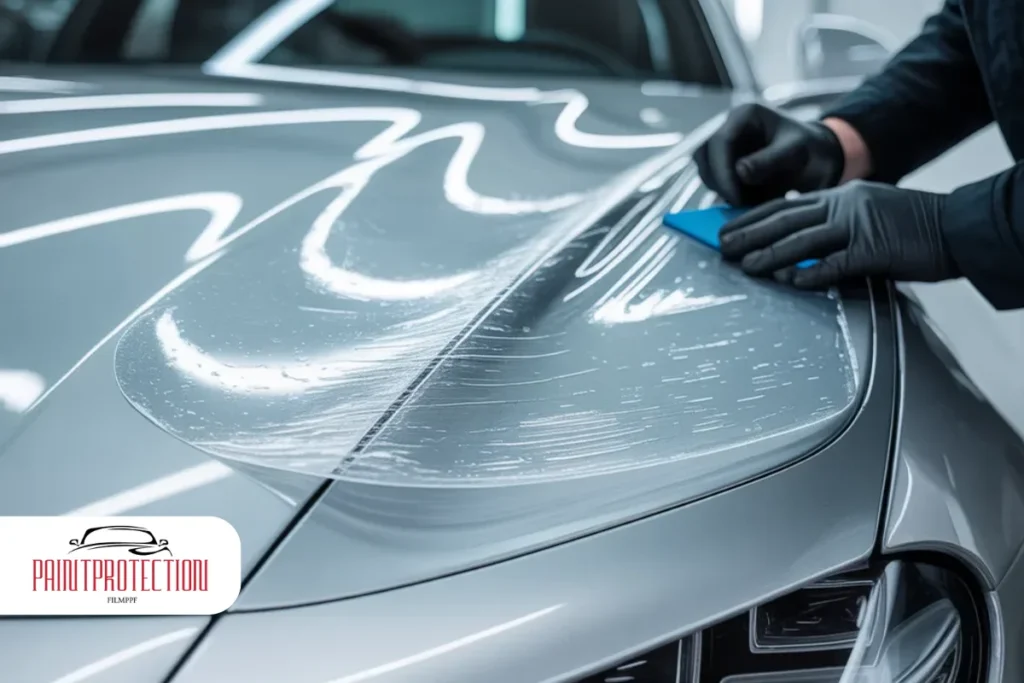
- Pre-Cut Kits (Plotter Cut): The film is cut by a machine using a digital template of your car. This is safer as no knives touch your paint, but it sometimes leaves a small gap at the edges.
- Custom Bulk Cut: The installer lays a large sheet of film and hand-trims it. This allows for “Tucked Edges,” where the film is wrapped around the panel so you can’t see the seams.
- The Hybrid Method: Most top-tier USA shops now use modified templates that allow for tucked edges while maintaining the safety of a machine cut.
Analyzing the Cost of Neglect: PPF vs. Repainting
Many owners hesitate at the $2,000+ price tag of paint protection film near me USA. However, let’s look at the “Hidden Costs” of not having it:
- Diminished Resale Value: A luxury car with a “peppered” front end (rock chips) can lose $3,000 to $5,000 in trade-in value.
- Repainting Costs: A high-quality professional repaint of a hood and bumper can cost $1,500 – $2,500. Moreover, a repainted car is often flagged on CARFAX, further lowering its value.
- Insurance Issues: Most insurance companies in the USA will cover the replacement cost of PPF if you are in an accident, provided you have the receipt from a certified installer.
How Modern PPF Handles Extreme USA Weather Conditions
The United States has some of the most diverse weather on Earth. Your local installer must provide a film that handles these specific extremes:
- The Heat of the Mojave Desert: High-end films are tested up to 200°F. They will not bubble or peel even in 115°F ambient heat.
- The Salt of the Midwest: Road salt is highly corrosive. PPF acts as a non-porous shield that prevents salt from reaching the metal or paint, stopping rust before it starts.
- Acid Rain in the Northeast: Industrial fallout and acid rain can etch into clear coats. The top-coat of a 2026 PPF is chemically resistant to these pollutants.
Case Study: Why Enthusiasts Choose Professional Shops over DIY Kits
While you can find DIY PPF kits online in the USA for $300, the failure rate is over 80%.
- Contamination: Without a medical-grade clean room, dust particles get trapped under the film, creating permanent bubbles.
- Stretch Marks: PPF requires precise tension. Too much stretch causes “silvering” or “stretch marks.”
- Adhesion Failure: Professional shops use specific slip solutions and tack agents that are not available in over-the-counter kits.
Final Thought: Protecting Your Investment for the Long Haul
Choosing the right paint protection film near me USA is a strategic decision for any vehicle owner. By prioritizing certified installers and high-quality TPU films, you ensure your car remains in showroom condition despite the harsh realities of American roads. Don’t wait for the first rock chip—shield your investment today.
Can PPF be removed?
Yes, professional-grade film can be safely removed by a professional without damaging the factory paint.
How much would a full PPF cost?
A Full PPF (Total Body Wrap) usually costs between $4,500 and $8,000. This package covers every painted surface of the vehicle, including doors, roof, trunk, and quarter panels. For oversized vehicles like SUVs or heavy-duty trucks (e.g., Ford F-150 or Tesla Cybertruck), the price can exceed $9,000 due to the large amount of material and the complexity of the installation.
Is PPF worth the investment?
For vehicles with high resale value or unique paint, the cost of PPF is often recovered during the sale of the car.
How much does paint protection film cost?
The cost of Paint Protection Film (PPF) in the USA typically ranges from $600 to $8,000. The price depends heavily on the “Coverage Area.” For instance, a Partial Front End (covering the bumper and 1/3 of the hood) costs between $600 and $1,200, whereas a Full Front End (entire hood, fenders, and mirrors) usually costs between $1,500 and $2,500. Labor rates in your specific state also play a major role in the final quote.
How much does a car PPF cost?
For a standard sedan or coupe, the average car PPF cost for the most popular package—the Full Front End—is approximately $2,000. If you are looking for “Track Pack” protection (which includes the front end plus rocker panels and rear wheel impact areas), expect to pay around $2,500 to $3,500. Investing in professional installation ensures you get a 7 to 10-year manufacturer warranty, which protects your car’s resale value.
Which company is best for PPF?
In 2026, the top 3 industry leaders for PPF are XPEL, 3M, and SunTek.
XPEL (Ultimate Plus): Widely considered the best for its superior self-healing properties and extensive digital pattern library.
3M (Scotchgard Pro Series): Known for its incredible clarity and strong brand reputation in the automotive industry.
SunTek (Reaction): Highly praised for its integrated ceramic coating layer, providing extreme hydrophobicity. Always choose an installer who is factory-certified by one of these brands to ensure a valid warranty.