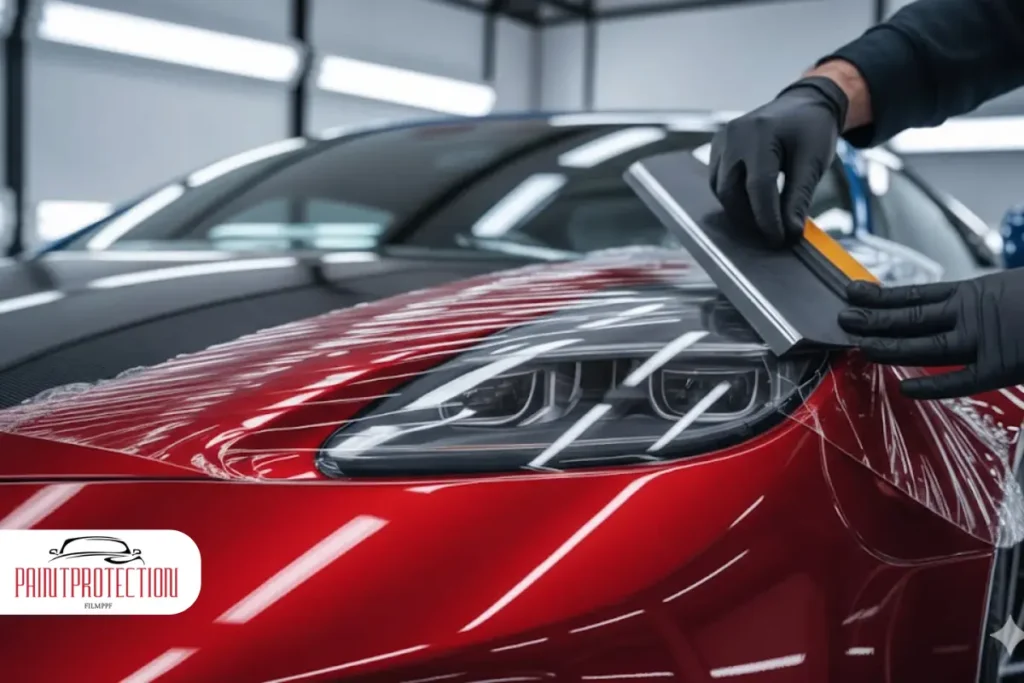
After working with vehicle protection systems for more than a decade, I have seen Paint Protection Film change. I worked at dealerships, detailing studios, and with private collectors. It went from a niche luxury add-on to a mainstream need for many American drivers.
Today’s PPF is no longer just about stopping rock chips. Long-term paint preservation, resale value, and minimizing ownership stress in real-world US driving conditions are the focus.
I wrote this review for buyers in the United States who want facts, not marketing hype. I will explain how PPF performs. I will cover the key materials.
I will share realistic USD prices. I will also explain who should, or should not, invest in it. If you are considering PPF in USA, especially PPF in Maryland, this guide will help you make a clear decision.
What Is PPF and Why It Matters in the US Market
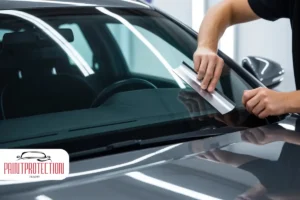
At its core, Paint Protection Film is a clear, urethane-based film. Apply it to a vehicle’s painted surfaces. It absorbs damage before it reaches the paint.
In the US, this matters more than many drivers realize. Interstate highways, aggressive winter road treatments, gravel shoulders, and frequent long-distance driving expose vehicles to constant micro-damage.
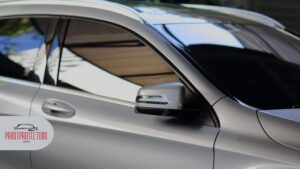
In states like Maryland, Pennsylvania, and Virginia, seasonal road salt and debris accelerate paint wear. Over time, even careful drivers notice sandblasting on bumpers, hood edges, and rocker panels. PPF acts as a sacrificial layer, preserving factory paint beneath it.
From a resale standpoint, US buyers place high value on original paint. Vehicles with intact factory finishes consistently appraise higher than repainted panels.
Properly installed PPF keep that factory condition. That is why it is standard on high-end vehicles. Popularity is also growing among daily drivers.
Material Breakdown: What High-Quality PPF Is Actually Made Of
Thermoplastic Polyurethane (TPU) Core Layer
The heart of modern PPF is aliphatic thermoplastic polyurethane, typically automotive-grade TPU manufactured to tight tolerances. This is not the same TPU used in phone cases or industrial coatings. Premium films use optically clear TPU sheets with consistent thickness, usually measured between 6 to 8 mils.
The texture is smooth and elastic with a soft, rubberized tactile feel. When pressed, it flexes rather than cracking, allowing it to absorb impact energy from rocks and debris. Higher-grade TPU resists yellowing caused by UV exposure, which is critical in sunny US states.
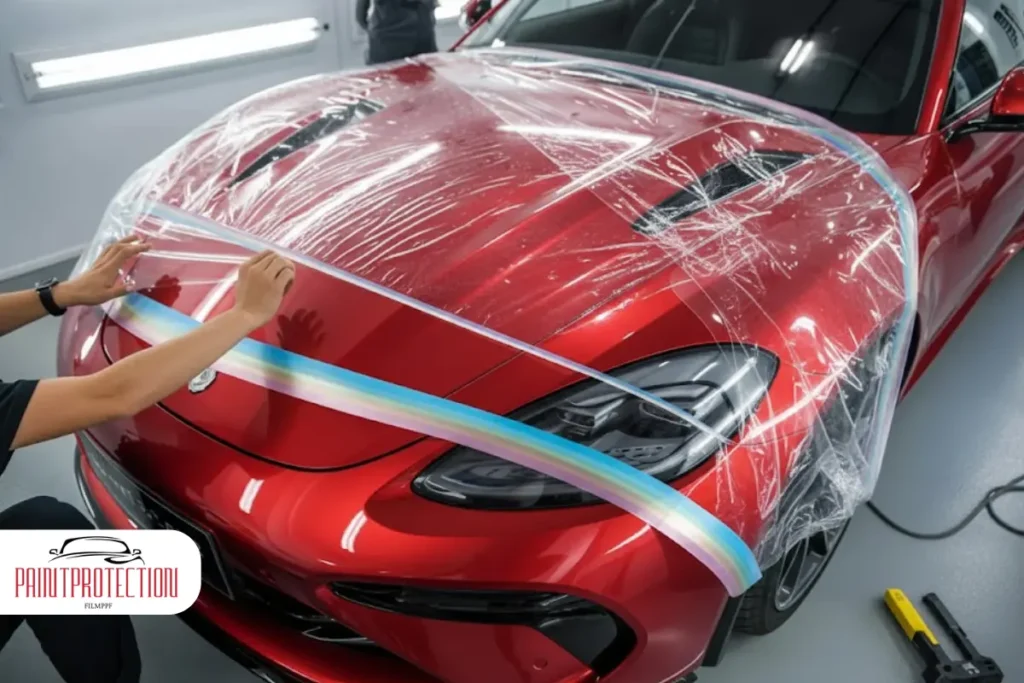
Cheaper films often use aromatic TPU, which is less expensive but degrades faster. Over time, it hardens, discolors, and loses clarity. This is one of the most important material differences buyers should understand.
Self-Healing Elastomeric Top Coat
The top layer is a thermally reactive elastomeric clear coat. Engineers designed this layer to soften slightly when heat from sunlight or warm water warms it. Fine swirl marks and light scratches disappear as the surface reflows.
High-end films have a satin-smooth finish with minimal orange peel texture. When properly installed, the film becomes nearly invisible from more than a few feet away. Lower-quality coatings feel plasticky and reflect light unevenly, making edges more noticeable.
This top coat also includes UV inhibitors that protect both the film and the paint underneath. In the US, where people often park vehicles outdoors, this layer plays a major role in longevity.
Pressure-Sensitive Acrylic Adhesive
The adhesive layer is a clear, automotive-grade acrylic adhesive designed for long-term bonding without damaging paint. It has a gel-like consistency that allows repositioning during installation but cures firmly over 24 to 72 hours.
High-quality adhesives resist lifting at edges and do not leave residue upon removal. This is especially important for leased vehicles or owners planning resale. Poor adhesives can stain clear coat or pull paint if removed incorrectly.
Installation Quality: Why the Installer Matters as Much as the Film
Even the best PPF fails if installation quality is poor. In my experience, over 50 percent of customer dissatisfaction comes from rushed or inexperienced installers, not the product itself.
Professional installers in the USA typically use computer-cut patterns specific to each vehicle model. This reduces the need for trimming on the car, lowering the risk of blade marks. Hand-cut installs still exist but require exceptional skill.
Environmental control also matters. Reputable shops use clean, climate-controlled bays to prevent dust contamination. Inconsistent temperature affects adhesive curing and film stretch, leading to premature failure.
PPF Pricing in the USA (Estimated)
Prices vary by vehicle size, coverage level, and region. Below are realistic USD estimates based on current US market averages:
- Partial Front Package (bumper, partial hood, mirrors): $800–$1,500
- Full Front Package (bumper, full hood, fenders, mirrors): $1,800–$2,800
- Track Package (high-impact areas only): $1,200–$2,000
- Full Vehicle Wrap: $5,000–$8,000
In Maryland, PPF pricing is often near the national average. Urban areas, like Baltimore suburbs, may cost a bit more because of labor costs.
Prices are estimates and may vary by state, retailer, or availability.
Real-World Performance and Longevity
When installed correctly, premium PPF typically lasts 5 to 10 years. In practice, most daily drivers replace high-impact sections around year six because of wear rather than failure.
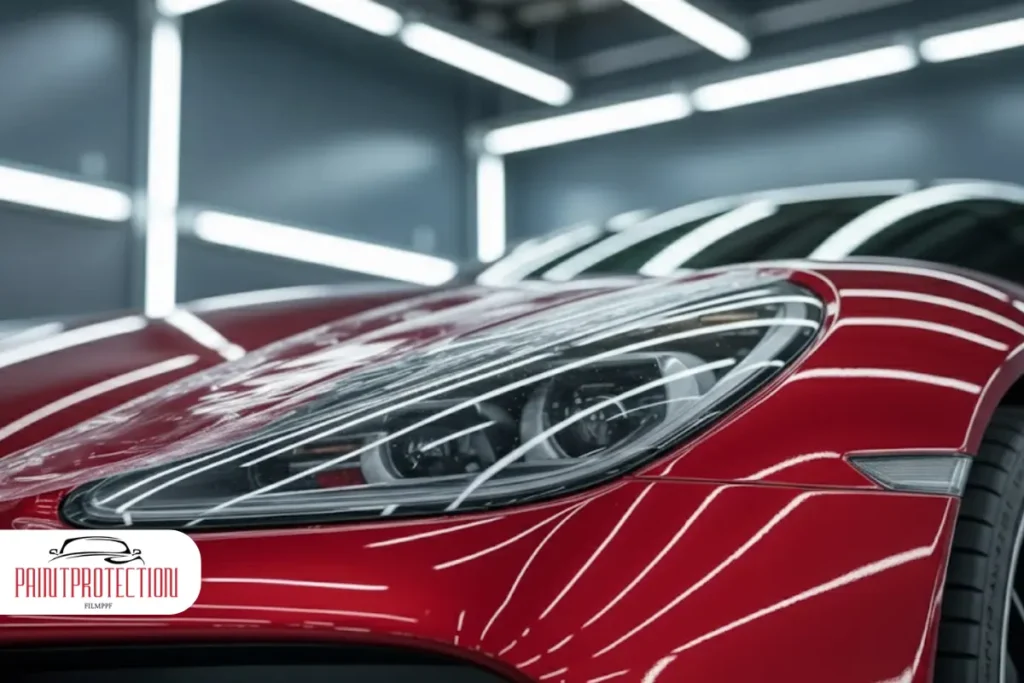
The film absorbs impacts that would otherwise chip paint. You will still see marks on the film, but that is the point. It sacrifices itself to protect what matters underneath.
Maintenance is straightforward. Standard hand washing is safe, and most films are compatible with ceramic coatings for easier cleaning. Avoid automatic brush washes, because they can lift the edges over time.
Pros of PPF
- Preserves factory paint and resale value
- Excellent protection against rock chips and road debris
- Self-healing surface reduces visible wear
- UV resistance helps prevent paint fading
- Nearly invisible when properly installed
Cons of PPF
- High upfront cost compared to wax or sealants
- Poor installation can ruin the look
- Edges may be visible on complex body lines
- Not immune to severe impacts or deep scratches
Ideal Use Cases
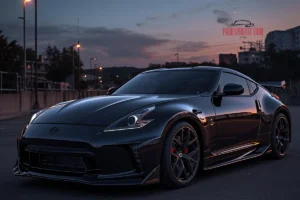
PPF makes the most sense for new vehicles, performance cars, luxury sedans, and SUVs frequently driven on highways. Especially valuable for drivers who plan to keep their vehicle long-term or value its resale condition.
In areas with harsh winters or heavy construction, PPF in the USA offers practical daily value, not just looks.
Who Should Avoid It
If you drive an older vehicle with existing paint damage, PPF The product will not hide defects and may even highlight them.
Short-term owners, budget buyers, or those who plan to repaint soon may prefer cheaper paint protection options.
For readers who want stronger protection, this is a good place to link recent posts. You can link ceramic coating comparisons, paint correction before film, or long-term resale tips. These topics complement PPF education and help buyers understand the full paint protection ecosystem.
Final Thought
From an industry view, PPF is one of the best tools to protect paint in the US today. Not cheap, and not magic. But when chosen carefully and installed by professionals, it delivers real, measurable value.
For drivers who value their vehicle’s looks, life, and resale value, Paint Protection Film is a smart investment. Just make sure you are paying for quality materials, skilled labor, and realistic expectations.
What does PPF stand for?
PPF stands for Paint Protection Film.
It is a clear protective layer applied over a vehicle’s paint.
What exactly is PPF?
PPF is a transparent polyurethane film designed to protect paint from scratches and stone chips.
It acts as a sacrificial barrier while keeping the original paint intact.
Which PPF brand is best in Pakistan?
There is no single “best” brand; quality depends on film grade and installer skill.
Imported TPU-based films with self-healing top coats generally perform better.
How much does it typically cost to PPF a car?
In Pakistan, partial PPF usually starts around PKR 120,000–200,000.
Full-car PPF can range from PKR 400,000 to 900,000 depending on film quality.
What is PPF 5000 per month?
This usually refers to an installment or subscription-style payment plan.
The total PPF cost is split into monthly payments instead of one upfront fee.