Removing paint protection film is no longer a rare task. In 2026, more drivers across the USA, UK, France, Italy, and Germany are replacing aging PPF, upgrading to newer self-healing films, or restoring original paint before resale. While PPF removal sounds simple, doing it the wrong way can damage clear coat, leave adhesive residue, or create costly paint issues.
This guide explains exactly how removing paint protection film works today, what’s changed in 2026, and how to decide between DIY and professional removal. Whether your film is peeling, yellowed, or simply past its prime, you’ll find clear answers here.
What Is Paint Protection Film and Why It Needs Removal
Paint protection film, often called PPF or clear bra, is a thermoplastic urethane film applied to protect vehicle paint from:
- Rock chips
- Road debris
- UV exposure
- Minor scratches
- Environmental contaminants
Modern films are designed to last 5 to 10 years. Once they reach the end of their lifespan, removing paint protection film becomes necessary to prevent permanent paint damage.
Common Reasons for Removing Paint Protection Film
- Film discoloration or yellowing
- Cracking or lifting edges
- Adhesive breakdown
- Upgrading to new-generation PPF
- Selling or repainting the vehicle
- Restoring factory paint appearance
In 2026, newer films last longer, but older installations still require careful removal to avoid problems.
Is Removing Paint Protection Film Safe for Paint?
Yes, removing paint protection film is safe when done correctly. Factory paint in good condition typically remains intact after removal. Problems usually happen when:
- The film is very old (8+ years)
- Low-quality adhesive was used
- Removal is rushed or forced
- Excessive heat or sharp tools are applied
Vehicles with repainted panels require extra care, as aftermarket paint is more vulnerable during PPF removal.
How Removing Paint Protection Film Has Changed in 2026
PPF technology has evolved significantly. In 2026, removal is generally easier due to:
- Advanced pressure-sensitive adhesives
- Improved heat-release properties
- Cleaner adhesive residue behavior
- Better removal tools designed for modern films
However, older films installed before 2018 still require traditional removal techniques and patience.
Professional vs DIY: Which Is Better in 2026?
DIY Removing Paint Protection Film
DIY removal can work for small areas or newer films. It is best suited if:
- The film is under 5 years old
- The vehicle has factory paint
- You have access to proper heat tools
- You are patient and detail-oriented
Pros
- Lower cost
- Flexible timing
- Good learning experience
Cons
- Risk of paint damage
- Adhesive residue cleanup
- Time-consuming
Professional Paint Protection Film Removal
Professional services are recommended when:
- Film is older or brittle
- Adhesive has hardened
- Vehicle has repainted panels
- High-value or luxury cars are involved
Professionals use controlled heat systems, specialty solvents, and experience-based techniques to protect the paint.
According to industry specialists at paintprotectionfilmppf, professional removal in 2026 often saves money by preventing clear coat repairs later.
Step-by-Step: How Removing Paint Protection Film Is Done
Step 1: Surface Inspection
Before removal, the technician checks:
- Film age and condition
- Paint type (factory or repainted)
- Existing paint defects
- Edge lift and cracking
This determines the safest removal approach.
Step 2: Controlled Heat Application
Heat softens the adhesive and allows clean separation.
Common tools used:
- Heat gun (low to medium setting)
- Steam machines (preferred in 2026)
Steam is increasingly popular because it reduces adhesive transfer and paint stress.
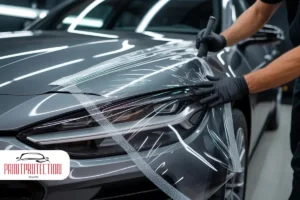
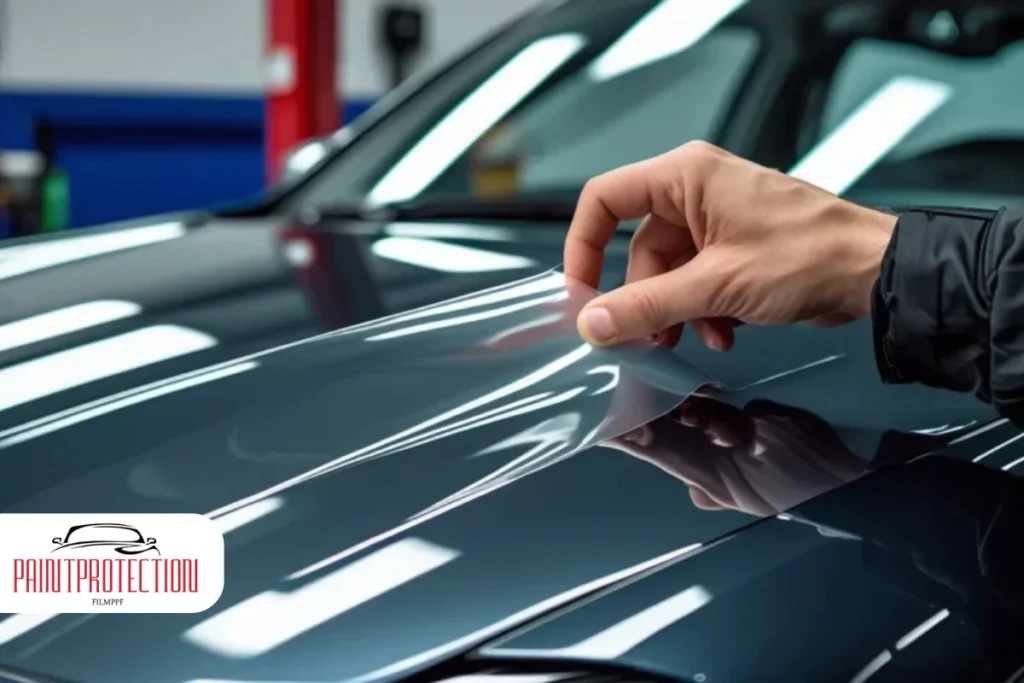
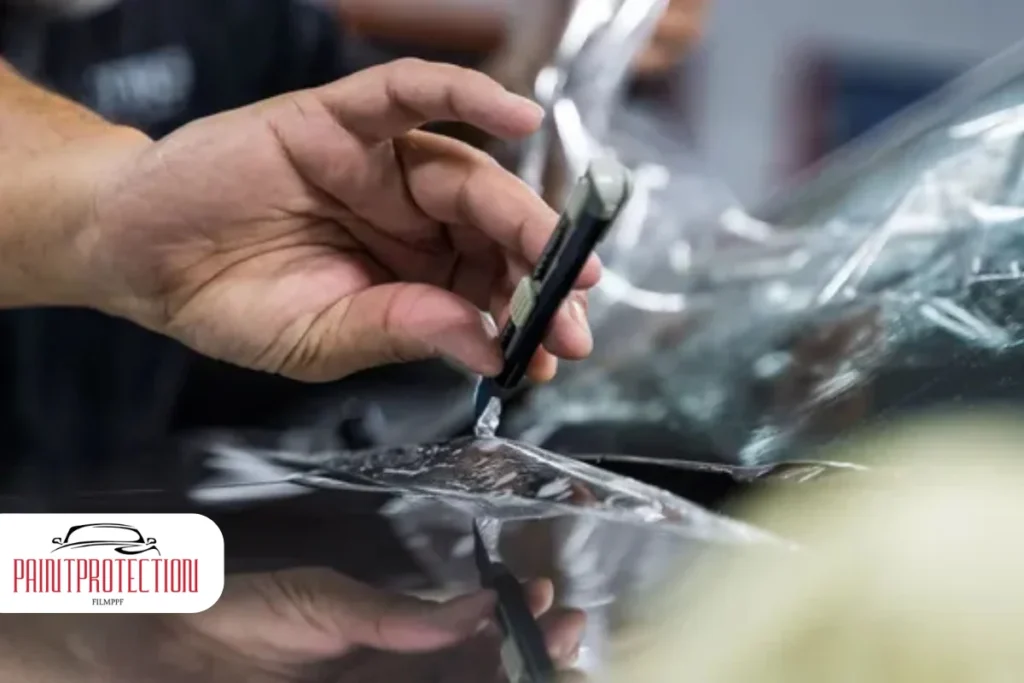
Step 3: Slow, Angled Peeling
The film is peeled back at a shallow angle, never straight up. This reduces clear coat tension and minimizes adhesive residue.
Key technique tips:
- Pull slowly
- Keep consistent heat
- Work in small sections
Rushing this step is the biggest cause of paint damage.
Step 4: Adhesive Residue Removal
Even with modern films, some adhesive may remain.
Safe adhesive removal methods include:
- Citrus-based removers
- Isopropyl alcohol blends
- Manufacturer-approved solvents
Avoid aggressive chemicals that can dull or stain paint.
Step 5: Final Paint Inspection and Cleanup
After removing paint protection film, the surface is inspected for:
- Clear coat integrity
- Paint discoloration
- Micro-marring
Many professionals recommend a light polish to restore gloss and prepare for reapplication.
How Long Does Removing Paint Protection Film Take?
Time depends on film age and vehicle size.
| Vehicle Area | Average Time |
|---|---|
| Partial hood | 30–60 minutes |
| Full front end | 2–4 hours |
| Full vehicle | 6–10 hours |
Older films may take longer due to hardened adhesive.
Cost of Removing Paint Protection Film in 2026
Prices vary by region and vehicle type across the USA, UK, France, Italy, and Germany.
Average PPF Removal Costs
| Service Type | Estimated Cost (2026) |
|---|---|
| Partial panel | $100–$200 |
| Front-end removal | $300–$600 |
| Full vehicle | $800–$1,500 |
Luxury cars and older films may cost more due to labor intensity.
Risks of Improper PPF Removal
Improper removing paint protection film can lead to:
- Clear coat lifting
- Paint discoloration
- Adhesive ghosting
- Micro-scratches
- Edge tearing
These issues are far more expensive than professional removal.
Can Old Paint Protection Film Damage Paint?
Yes, neglected film can cause permanent issues if not removed on time.
Warning signs include:
- Yellow tint under film
- Cracked or brittle texture
- Strong adhesive odor
- Visible paint contrast
In extreme cases, adhesive bonds chemically to clear coat, making removal risky.
Should You Replace PPF After Removal?
In 2026, most drivers choose to replace rather than leave paint exposed.
Benefits of reapplying modern PPF:
- Improved self-healing
- Better optical clarity
- Longer lifespan
- Enhanced UV protection
Upgrading after removal ensures continued paint protection with better aesthetics.
Removing Paint Protection Film from Repainted Cars
Repainted panels need special attention.
Best practices:
- Lower heat settings
- Shorter peel sections
- Professional-only removal recommended
Repainted surfaces are more likely to lift if adhesive bonds strongly.
Environmental and Climate Factors in 2026
Climate affects how removing paint protection film behaves:
- Hot climates soften adhesive faster
- Cold climates require longer heat application
- High UV regions accelerate film aging
Drivers in southern USA, southern Europe, and coastal regions often need earlier removal.
When Is the Best Time to Remove PPF?
Ideal conditions:
- Mild temperatures
- Indoor environment
- Controlled lighting
Avoid removing film in extreme cold or direct sunlight.
Signs It’s Time to Remove Your Paint Protection Film
- Edges peeling or lifting
- Yellowing or hazy appearance
- Cracks or bubbles
- Adhesive stains showing through
- Film older than manufacturer warranty
Ignoring these signs increases risk.
Expert Tips for Safe PPF Removal in 2026
- Never pull film cold
- Avoid razor blades on paint
- Use steam when possible
- Test adhesive remover in a hidden area
- Stop if clear coat resistance is felt
Professionals at paintprotectionfilmppf recommend scheduling removal before film failure begins, not after.
Is Removing Paint Protection Film Worth It?
Absolutely. Removing paint protection film at the right time:
- Preserves paint value
- Prevents long-term damage
- Improves vehicle appearance
- Prepares surface for upgrades
For resale, clean paint without aging film often increases buyer confidence.
Final Thoughts
Removing paint protection film in 2026 is safer, cleaner, and more predictable than ever when done correctly. The key is timing, technique, and knowing when to involve professionals. Whether you are upgrading to the latest PPF or restoring original paint, proper removal protects your investment and keeps your vehicle looking its best.
For vehicle owners across the USA and Europe, informed decisions around PPF removal are just as important as the initial installation.
FAQ
1. Does removing paint protection film damage paint?
No, removing paint protection film does not damage factory paint when done properly with heat and correct techniques.
2. How long can paint protection film stay on a car?
Most PPF lasts 5 to 10 years. Removing it before adhesive breakdown prevents paint damage.
3. Can I remove paint protection film myself?
Yes, newer films can be removed DIY, but older or brittle films should be handled by professionals.
4. How much does it cost to remove paint protection film in 2026?
Costs range from $100 for small areas to $1,500 for full vehicle removal, depending on film age and vehicle size.
5. Should I install new PPF after removing old film?
Yes, replacing old film with modern PPF improves protection, clarity, and long-term paint preservation.