If you have ever shopped for a new car, researched car detailing, or talked to an auto enthusiast, you have probably heard the term PPF. Many car owners wonder, what does PPF mean in cars, and whether it is actually worth the investment. With road debris, harsh weather, and everyday wear taking a toll on vehicle paint, protecting your car’s finish has become a real concern, especially in the USA where long commutes and highway driving are common.
This guide breaks it all down in clear, practical terms. By the end, you will understand what PPF is, how it works, its benefits, costs, and whether it makes sense for your car.
What Does PPF Mean in Cars?
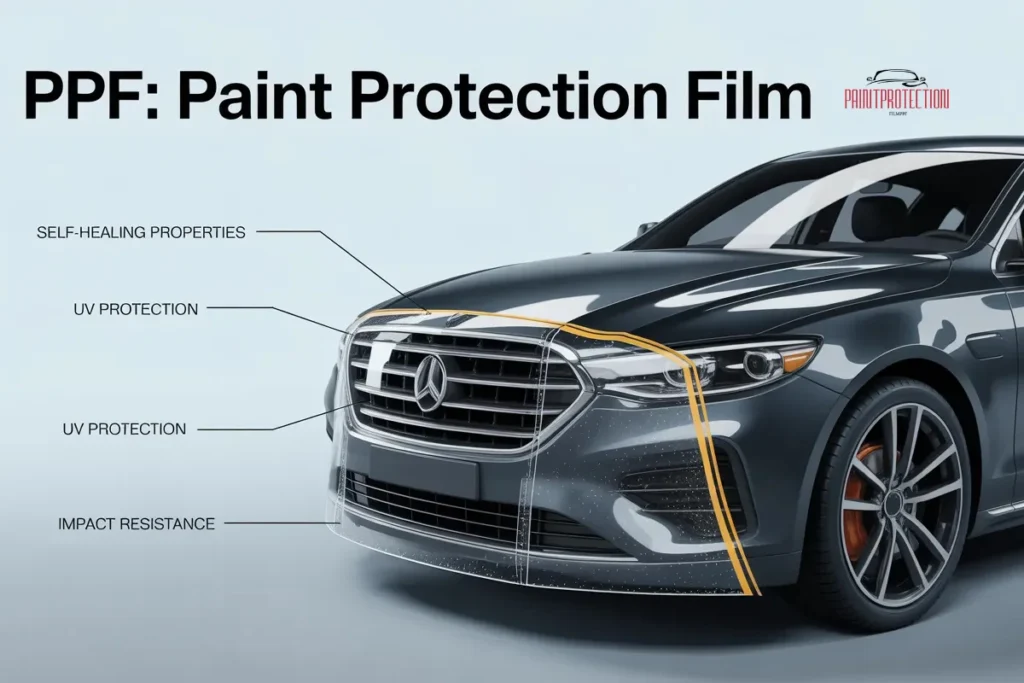
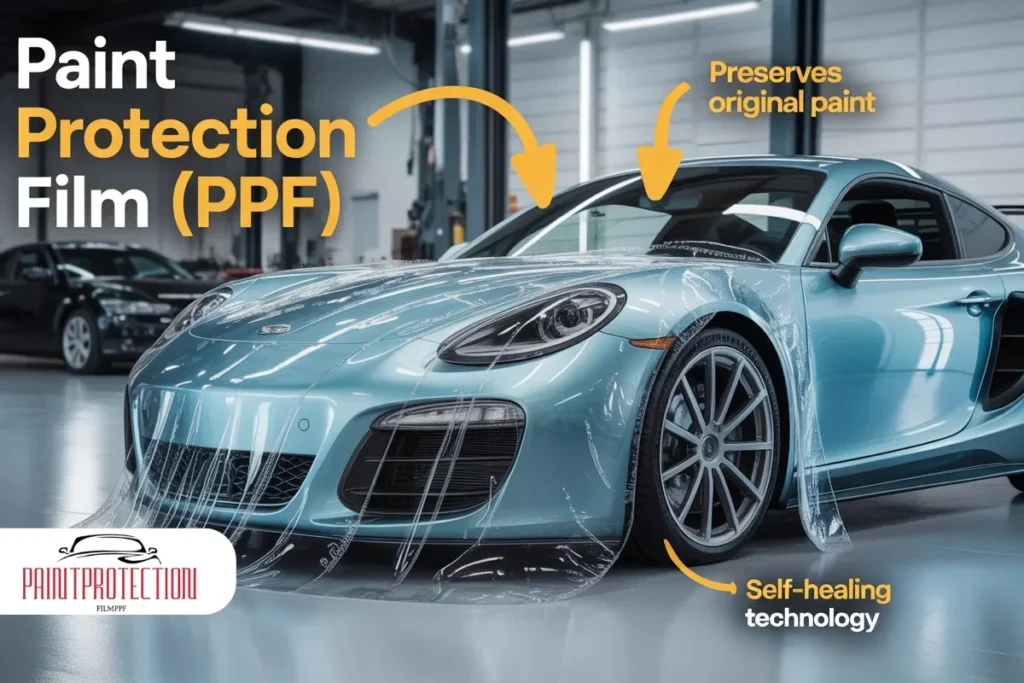
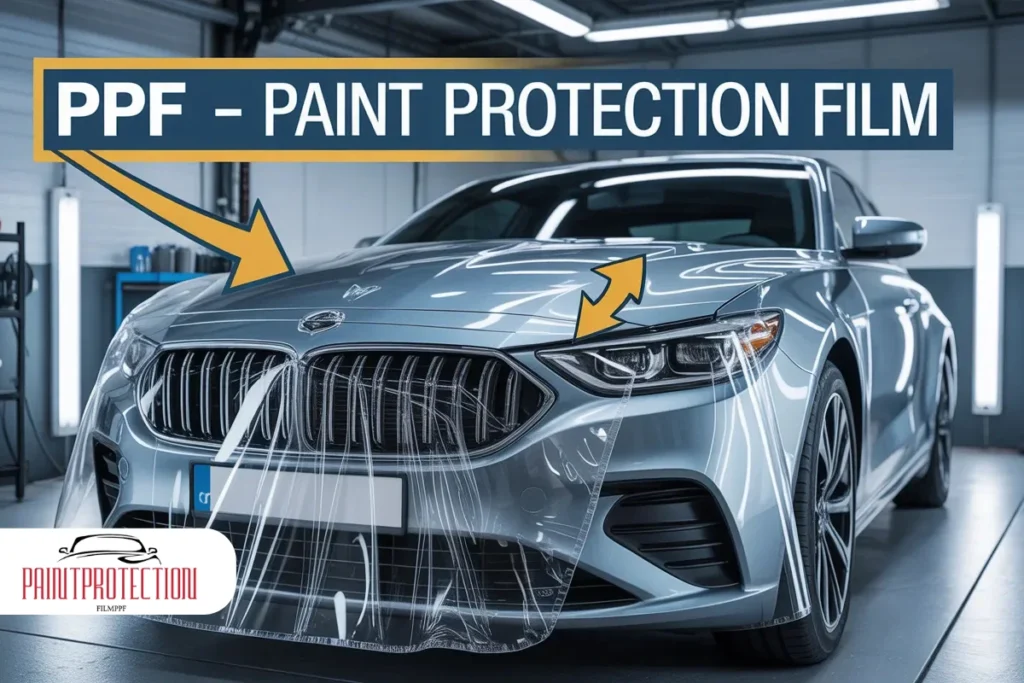
So, what does PPF mean in cars exactly? PPF stands for Paint Protection Film. It is a thin, transparent polyurethane film applied to a vehicle’s painted surfaces to protect them from damage.
In simple words, when people ask what does PPF mean, they are talking about an extra protective layer that shields your car’s paint from everyday hazards like rock chips, scratches, bug splatter, and UV rays.
Originally developed for military use to protect helicopter blades, PPF is now widely used in the automotive world, from daily drivers to luxury and performance vehicles.
How Paint Protection Film Works
Paint Protection Film acts like a second skin for your car. It is applied directly over the paint and conforms to the shape of the panels.
Key features of PPF
- Transparent and virtually invisible once installed
- Strong enough to absorb impacts from small debris
- Flexible and resistant to cracking or peeling
- Designed to last several years with proper care
Modern PPF uses advanced materials that allow it to stretch and return to its original shape. This is why many films today are known for their self-healing properties.
Common Areas Where PPF Is Applied
When learning what does PPF mean in cars, it also helps to know where it is usually installed. While full-body coverage is an option, many car owners choose high-impact areas.
Most popular PPF coverage zones
- Front bumper
- Hood and fenders
- Side mirrors
- Door edges and door cups
- Rocker panels
- Rear bumper loading area
These areas are more likely to suffer from stone chips, scratches, and scuffs during everyday driving.
Benefits of PPF for Car Owners in the USA
Understanding what does PPF mean in cars also means understanding why so many US drivers choose it.
Protects against road damage
Highways, construction zones, and winter road conditions can throw up gravel and debris. PPF helps absorb these impacts before they reach your paint.
Preserves resale value
Cars with clean, original paint often sell for more. PPF helps maintain that factory finish, which can be a big advantage when trading in or selling your vehicle.
Guards against UV damage
Sun exposure can cause paint to fade or oxidize over time. Quality PPF includes UV inhibitors that slow this process.
Reduces maintenance stress
With PPF installed, you worry less about minor scratches or swirl marks. This makes regular driving and parking less stressful.
Self-Healing Technology Explained
One of the biggest reasons people ask what does PPF mean today is because of self-healing film.
Self-healing PPF can repair minor scratches and swirl marks on its own. When exposed to heat, such as sunlight or warm water, the film softens and returns to its original smooth state.
This feature is especially useful for:
- Daily drivers
- Dark-colored cars where scratches show easily
- Vehicles frequently washed or driven long distances
PPF vs Ceramic Coating: Know the Difference
A common point of confusion when asking what does PPF mean in cars is how it compares to ceramic coating.
Paint Protection Film
- Physical barrier against impacts
- Thicker and more durable
- Best for rock chips and scratches
Ceramic Coating
- Liquid coating that bonds to paint
- Enhances gloss and water resistance
- Does not protect against rock chips
Many car owners in the USA choose to combine both. PPF handles physical protection, while ceramic coating adds shine and makes cleaning easier.
How Much Does PPF Cost in the USA?
Cost is often the deciding factor once you understand what does PPF mean in cars.
Average PPF price ranges
- Partial front coverage: $600 to $1,500
- Full front-end coverage: $1,500 to $2,500
- Full vehicle wrap: $4,000 to $8,000 or more
Prices vary based on vehicle size, film quality, installer experience, and location. While it is not cheap, many owners see it as a long-term investment.
Is PPF Worth It for Your Car?
Whether PPF is worth it depends on how you use and value your vehicle.
PPF makes sense if you:
- Drive frequently on highways
- Own a new, luxury, or performance car
- Plan to keep your car for several years
- Want to maintain showroom-level paint
If you drive an older vehicle with existing paint damage, PPF may offer less value, though it can still prevent further wear.
Tips for Choosing the Right PPF Installer
Once you fully understand what does PPF mean in cars, choosing the right installer becomes critical.
What to look for
- Certified and experienced installers
- High-quality film brands with warranties
- Clean installation environment
- Before-and-after work examples
A poor installation can lead to visible edges, bubbles, or peeling, which defeats the purpose of PPF.
Maintenance and Care for PPF
PPF is low-maintenance, but it still needs basic care.
Simple care tips
- Hand wash when possible
- Avoid harsh chemicals
- Do not use abrasive brushes
- Wax only if approved for PPF
With proper care, most Paint Protection Film products last between five to ten years.
Final Thought
Now you know what does PPF mean in cars and why it has become so popular among car owners in the USA. Paint Protection Film is a smart solution for protecting your vehicle from everyday damage, preserving paint quality, and maintaining long-term value.
If you care about how your car looks and want to avoid costly paint repairs, PPF is worth serious consideration. Talk to a professional installer, explore coverage options, and decide what level of protection fits your driving habits and budget. Your car’s paint will thank you for it.
FAQs
1. What does PPF mean in cars?
PPF means Paint Protection Film. It is a clear, durable film applied to a car’s paint to protect it from scratches, rock chips, UV damage, and everyday wear.
2. Is PPF better than ceramic coating?
PPF and ceramic coating serve different purposes. PPF provides physical protection against impacts, while ceramic coating mainly improves shine and makes cleaning easier. Many car owners use both together.
3. How long does Paint Protection Film last?
High-quality PPF typically lasts between 5 to 10 years, depending on driving habits, climate, and how well the film is maintained.
4. Does PPF damage car paint when removed?
No, professional-grade PPF does not damage factory paint when properly removed. In fact, it often helps preserve the original paint underneath.
5. Is PPF worth it for daily drivers?
Yes, PPF can be worth it for daily drivers, especially those who spend a lot of time on highways. It helps reduce paint damage and maintains the car’s appearance over time.