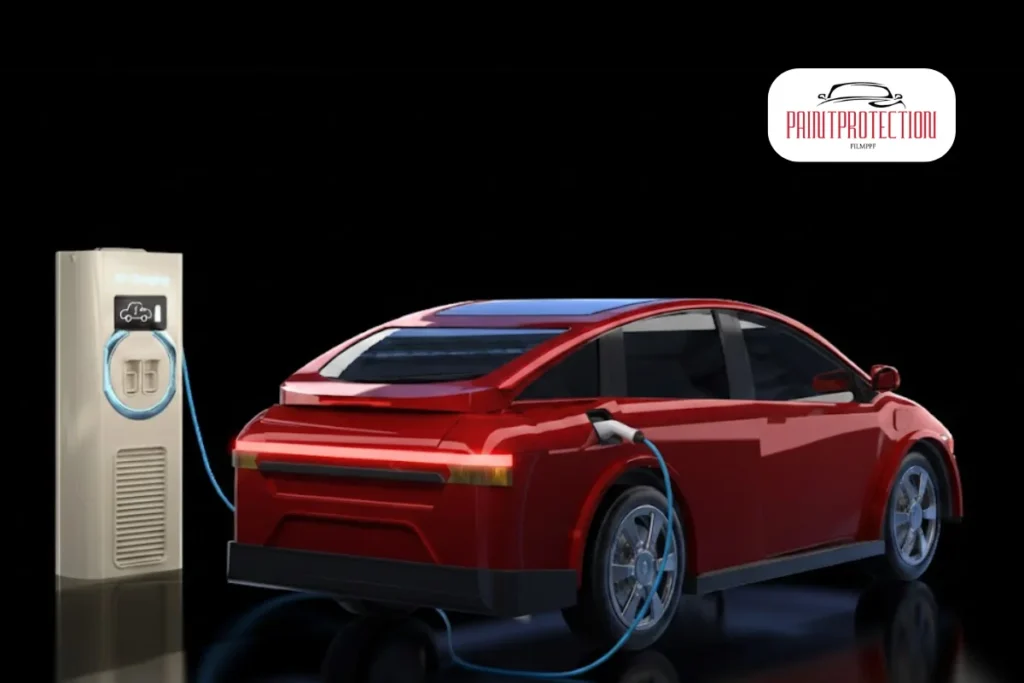
Electric vehicles have changed how Americans think about efficiency, comfort, and long-term ownership. As someone who has worked hands-on with vehicle glazing, heat control films, and EV builds, I can say this clearly. Window Tint for Electric Vehicles is not just a cosmetic upgrade. It is a functional system that directly affects driving range, cabin electronics, and everyday comfort.
Unlike traditional gasoline vehicles, EVs rely heavily on battery-powered climate control. Excessive solar heat gain is not just uncomfortable; it reduces range and accelerates interior wear. This is where the right window tint becomes a strategic investment rather than an aesthetic add-on.
This review explains the materials, real-world performance, and costs of modern window tint solutions. It uses a critical view and US market expectations.
Why Window Tint Matters More in Electric Vehicles
Electric vehicles generate far less waste heat than internal combustion cars. That means they rely entirely on electric HVAC systems to cool the cabin. From my EV tests in Arizona, Texas, and Florida, untreated glass can raise cabin temperatures by 30–45°F.
This happens in direct sunlight.
Window tint for electric vehicles helps manage heat by blocking infrared and ultraviolet rays before they enter the cabin. This reduces HVAC usage, which in turn preserves battery range. On a typical EV, effective tinting can preserve an estimated 3–7 percent of driving range during hot months.
A materials protection angle also exists. EV interiors often use vegan leather, soft-touch polymers, and piano-black trim. These materials are more sensitive to UV degradation than older automotive plastics. A properly engineered window tint acts as a UV shield, slowing fading, cracking, and surface brittleness.
Understanding Window Tint Materials: What You’re Truly Paying For
Not all window tint is equal, and the material composition determines performance far more than darkness level. Below is a professional breakdown of the major tint categories used in the US EV market.
Dyed Film: Entry-Level Heat Control
Dyed window tint is made from a multi-layer polyester base infused with organic dye compounds. The surface feels smooth but slightly plasticky, with a uniform matte appearance when viewed from the outside. The dye absorbs visible light, reducing glare, but does little to reject infrared heat.
From a manufacturing standpoint, these films are inexpensive because they lack metallic or ceramic particles. The downside is durability. In hot US climates, lower-grade dyed films can discolor or turn purple within 2–3 years.
Estimated price: $120–$220 USD
Best for: Budget-conscious drivers, leased EVs
Limitations: Minimal heat rejection, shorter lifespan
Metalized Film: Reflective but Risky for EVs
Metalized tint uses vapor-deposited aluminum or nickel alloy particles layered into the polyester substrate. The surface has a slightly reflective, cool-to-the-touch feel and a subtle mirrored look.
While metalized films block more heat than dyed films, they can disrupt GPS, Bluetooth, cellular, and sensor signals. In electric vehicles packed with antennas and ADAS systems, this interference is a real concern.
For this reason, I rarely recommend metalized Tint for vehicles equipped with advanced electronics.
Estimated price: $180–$300 USD
Best for: Older vehicles without heavy electronics
Limitations: Signal interference, reflective appearance
Carbon Film: Balanced Performance, Clean Look
Carbon window tint uses nano-carbon particles embedded evenly throughout the film. The texture is smooth and uniform, with a rich charcoal tone that does not reflect light aggressively. It feels denser and more substantial than dyed film.
Carbon films reject more infrared heat without using metals, making them safer for EV electronics. They also resist fading better, maintaining color stability for 5–7 years in most US climates.
Estimated price: $250–$450 USD
Best for: Daily-driven EVs, moderate climates
Limitations: Not the highest heat rejection available
Ceramic Film: Premium Standard for Electric Vehicles
Ceramic tint is the gold standard for Window Tint for Electric Vehicles. It uses non-conductive nano-ceramic particles, often zirconium oxide or titanium nitride, embedded in a high-clarity polyester matrix.
The tactile feel is refined and dense, almost glass-like. Visually, it offers exceptional clarity from the inside with minimal haze. Performance-wise, ceramic films can block up to 90% of infrared heat.
They can also block 99% of UV radiation.
They do not affect signal transmission.
From my experience, ceramic tint gives the biggest drop in cabin heat and HVAC strain, especially in sunny states.
Estimated price: $400–$800 USD
Best for: Long-term EV ownership, hot climates
Limitations: Higher upfront cost
Legal and Regulatory Considerations in the USA
Window tint laws vary by state, and EV owners are not exempt. Most states regulate Visible Light Transmission (VLT), measured as a percentage of light passing through the glass.
For example:
- California requires 70 percent VLT on front side windows
- Texas allows 25 percent VLT
- Florida allows 28 percent VLT
Modern Electric Vehicles window tint solutions often achieve high heat rejection even at lighter, legal shades. This allows compliance without sacrificing comfort. Always verify state laws before installation.
Real-World Benefits for EV Owners
Beyond comfort, the real advantage of Window Tint for Electric Vehicles lies in efficiency and longevity. Reduced interior heat means:
- Lower HVAC energy consumption
- More consistent battery performance
- Slower degradation of screens and trim
- Improved driving comfort during charging stops
In practical terms, this translates to fewer charging sessions during summer road trips and better resale value.
Pros
- Improves driving range in hot climates
- Protects sensitive EV interior materials
- Enhances cabin comfort without dark glass
- Ceramic options do not interfere with electronics
Cons
- Premium films can be expensive upfront
- Poor installation reduces performance
- Legal limits vary by state
- Cheap films degrade quickly in heat
Ideal Use Cases
- EVs driven daily in sunny or hot regions
- Owners planning long-term vehicle retention
- Vehicles with large glass roofs or panoramic windows
- Drivers prioritizing comfort and efficiency
Who Should Avoid It
- Short-term lease holders
- Owners in low-sun, cold climates
- Budget buyers unwilling to invest in quality materials
Expert Insights
In recent blog posts on EV thermal management and interior material life, we explored solar load effects.
We showed how solar load impacts battery efficiency and dashboard aging. These insights connect directly with window tint selection, especially for ceramic films designed to protect modern EV interiors.
Final Thought
From an industry view, window tint for electric vehicles is a smart functional upgrade for EV owners. When done right with high-grade materials, especially ceramic films, it offers clear benefits in comfort and efficiency. It also helps protect the interior over time.
While the upfront cost may seem high, you gain preserved range, less wear, and a better driving experience. For serious EV owners in the US market, quality window tint is not optional. Part of responsible ownership.
What is the best tint for EV?
Ceramic window tint is best for EVs, offering maximum heat rejection without affecting electronics.
Is there such a thing as electric window tint?
Yes, “smart” or electrochromic tints adjust opacity electronically, though standard ceramic tints are more common.
Does Tesla do window tinting?
Tesla offers factory-installed UV and heat-rejecting glass, but many owners add aftermarket tinting for extra protection.
Is 35% or 20% tint darker?
20% tint is darker, allowing less light to pass through than 35%.
Why don’t people tint Tesla?
Some avoid it because of factory UV glass, cost concerns, or fear of warranty issues with aftermarket films.