
A professional window tinting service is no longer just about style. In 2026, drivers across the United States are choosing window tint for heat control, UV protection, privacy, and long-term comfort. With better film technology, clearer ceramic options, and updated state tint laws, getting your windows tinted has become both a practical and regulated decision.
If you are searching for a window tinting service near me, comparing ceramic window tint options, or trying to understand window tint percentages and legal limits, this guide covers everything you need to know before booking an appointment.
What Is a Window Tinting Service?
A window tinting service involves applying a thin, transparent film to the interior side of vehicle, home, or office windows. This film is designed to control light, block UV rays, reduce heat, and improve privacy without sacrificing visibility.
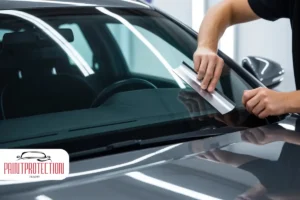
Modern window tinting is a technical process. Professional installers use precision tools, controlled environments, and high-quality films to ensure smooth application, long-term durability, and legal compliance.
In 2026, most reputable tint shops offer:
- Automotive window tinting
- Residential window tint
- Commercial building tint
- Ceramic and nano-ceramic film options
- Legal compliance checks by state
Types of Window Tint Available in 2026
Not all window tint is the same. Understanding the main types helps you avoid overpaying or choosing the wrong film for your needs.
Dyed Window Tint
This is the most basic option. It uses a dye layer to darken windows.
Pros:
- Affordable
- Reduces glare
Cons:
- Minimal heat rejection
- Can fade over time
Metalized Window Tint
Uses metallic particles to reflect heat and UV rays.
Pros:
- Better heat control
- Durable
Cons:
- Can interfere with GPS and phone signals
- Reflective appearance
Carbon Window Tint
A mid-range option that offers better performance without metal.
Pros:
- No signal interference
- Good heat rejection
Cons:
- Not as effective as ceramic tint
Ceramic Window Tint
The most advanced and popular option in 2026.
Pros:
- Superior heat and UV rejection
- No signal interference
- Clear visibility
- Long lifespan
Cons:
- Higher upfront cost
Ceramic Window Tint: Why It’s the Top Choice in 2026
Ceramic window tint has become the industry standard for premium installations. Unlike older films, ceramic tint uses nano-ceramic particles that block infrared heat without making windows overly dark.
Key Benefits of Ceramic Window Tint
- Blocks up to 99 percent of UV rays
- Reduces interior heat significantly
- Maintains clear visibility at night
- Protects upholstery and dashboards
- Improves driving comfort year-round
For drivers in hot states like Texas, Florida, Arizona, and California, ceramic window tint is often worth the investment due to long-term comfort and interior protection.
Window Tint Percentages Explained
Window tint percentages refer to Visible Light Transmission, or VLT. This number indicates how much light passes through the glass.
Common Window Tint Percentages
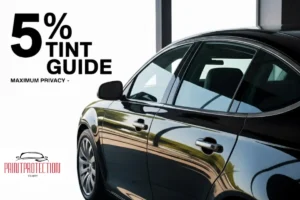
- 5 percent – Limo tint, very dark
- 15 percent – Dark tint, limited visibility at night
- 20 percent – Popular for rear windows
- 35 percent – Common legal front window limit
- 50 percent – Light tint with heat rejection
- 70 percent – Nearly clear, UV focused
Lower percentages mean darker tint. Higher percentages allow more light in.
Professional window tinting services help customers choose percentages that balance comfort, appearance, and legal requirements.
North Carolina Window Tint Law Changes (2026 Update)
North Carolina has always enforced stricter tint laws compared to many other states. As of recent updates heading into 2026, enforcement has become more consistent, especially during inspections.

Current Key Rules in North Carolina
- Windshield: Non-reflective tint allowed above the AS-1 line
- Front side windows: Minimum 35 percent VLT
- Back side windows: Minimum 35 percent VLT
- Rear window: Minimum 35 percent VLT
- Reflectivity limits apply
Medical exemptions still exist but require approved documentation.
Because tint laws can change, reputable window tinting services in North Carolina stay updated and measure VLT accurately before installation. Always request a compliance check and documentation.
Precut Window Tint vs Custom Cut Tint
When booking a window tinting service, you may hear about precut window tint options.
Precut Window Tint
Precut tint is machine-cut using vehicle-specific templates.
Pros:
- Faster installation
- Clean edges
- No cutting on glass
Cons:
- Less flexibility for older or modified vehicles
Custom Cut Tint
Tint is hand-cut during installation.
Pros:
- Works for unique windows
- Adjustable on site
Cons:
- Higher skill required
- Slightly longer install time
Most modern tint shops use precut window tint for standard vehicles and custom methods when needed.
How Much Does Window Tinting Cost in the USA?
Pricing varies based on vehicle size, film type, and location.
Average Window Tinting Prices (2026)
| Tint Type | Sedan | SUV | Truck |
|---|---|---|---|
| Dyed Tint | $150–$250 | $200–$300 | $180–$280 |
| Carbon Tint | $250–$400 | $300–$450 | $280–$420 |
| Ceramic Tint | $400–$700 | $500–$900 | $450–$800 |
Residential and commercial window tint pricing is usually based on square footage.
Benefits of a Professional Window Tinting Service
Choosing a professional installer matters more than the film itself.
What Professionals Offer
- Proper surface preparation
- Dust-free installation environment
- Accurate VLT measurement
- Warranty-backed films
- Legal compliance guidance
A quality window tinting service near me should provide transparent pricing, film samples, and clear warranty terms.
How to Choose the Right Window Tinting Service Near You
Before booking, look for these signs of a reliable provider:
- Verified Google reviews
- Experience with ceramic window tint
- Knowledge of local tint laws
- Written warranty
- Clean installation area
Avoid mobile or pop-up installers without a physical location or warranty support.
Residential and Commercial Window Tinting
Window tinting is not limited to vehicles.
Residential Tinting Benefits
- Lower energy bills
- Reduced glare
- Furniture protection
- Increased privacy
Commercial Tinting Benefits
- Energy efficiency
- Professional appearance
- Improved employee comfort
- Security film options
Many window tinting services offer bundled pricing for home and business clients.
Common Window Tinting Mistakes to Avoid
- Choosing tint based on darkness only
- Ignoring state laws
- Going with the cheapest option
- Skipping warranty details
- Not allowing proper curing time
Quality tint should last 7–10 years or more when installed correctly.
Final Thoughts
A window tinting service in 2026 is about comfort, protection, and smart compliance, not just looks. With advanced ceramic window tint, precise precut window tint systems, and stricter enforcement of tint laws in states like North Carolina, choosing the right installer matters more than ever.
Whether you are upgrading your daily driver, protecting a new vehicle, or improving energy efficiency at home, investing in professional window tinting delivers long-term value when done correctly.
FAQ
What is the best window tint percentage for daily driving?
For most drivers, 35 percent offers a balance of visibility, heat reduction, and legal compliance in many states.
Is ceramic window tint worth the cost?
Yes. Ceramic tint provides superior heat rejection, UV protection, and durability compared to dyed or metalized films.
How long does window tint take to cure?
Curing typically takes 3 to 7 days depending on weather conditions. Avoid rolling down windows during this time.
Are window tint laws enforced strictly in North Carolina?
Yes. North Carolina actively enforces tint laws, especially during vehicle inspections.
Can I install window tint myself?
DIY kits exist, but professional installation ensures better results, legal compliance, and warranty coverage.