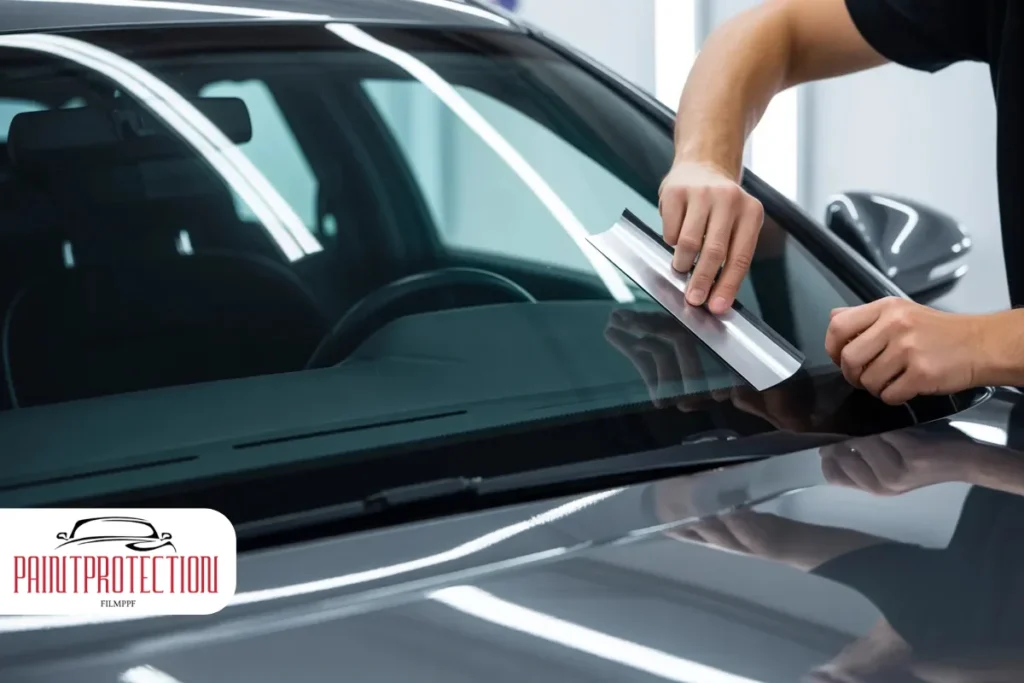
If you are researching windshield tint, chances are you are dealing with harsh sunlight, rising cabin temperatures, or glare that makes driving uncomfortable. In many parts of the USA, especially states like California, Texas, Arizona, and Florida, the sun is not just annoying, it is intense enough to damage interiors and affect driving safety.
Windshield tint is no longer just about aesthetics. It is a practical upgrade that improves comfort, protects your vehicle, and enhances your driving experience year-round. This guide breaks down everything you need to know before choosing a front glass tint, including legal limits, types of tint, pricing, pros and cons, and expert tips.
Whether you are searching for car window tinting near me or comparing ceramic tint options, this article gives you clarity before you spend a dollar.
What Is Windshield Tint and Why It Matters
Windshield tint is a thin film applied to the interior surface of your front windshield. Its purpose goes far beyond appearance. A quality windshield tint blocks heat, reduces glare, and filters harmful UV rays that can damage your skin and vehicle interior.
In the USA, modern windshield film technology allows drivers to maintain clear visibility while still gaining heat rejection benefits. Unlike old-school dark films, today’s advanced tints can remain nearly invisible while delivering powerful performance.
This matters because the windshield is the largest glass surface in your vehicle. It allows the most heat and UV radiation to enter the cabin. Tinted windshields can reduce interior temperatures by up to 30 to 50 percent depending on the film type. That means less reliance on air conditioning, improved fuel efficiency, and a more comfortable ride.
Understanding Windshield Tint Laws in the USA
Before installing windshield tint, it is critical to understand state laws. Windshield tint regulations vary across the USA and ignoring them can lead to fines or failed inspections.
Most states allow windshield film only above the AS-1 line, which is typically the top five inches of the windshield. This area is often called the visor strip. Some states allow a clear or lightly tinted film across the entire windshield, provided it meets Visible Light Transmission (VLT) requirements.
For example:
- California allows clear, non-reflective tint above the AS-1 line
- Texas allows up to 25 percent VLT on the top portion
- Florida permits a non-reflective strip above the AS-1 line
Ceramic and infrared-rejecting films are popular because they offer heat rejection without darkening the glass, helping drivers stay legal while enjoying benefits.
Always confirm local laws before booking a window tinting service near me.
Types of Windshield Tint Explained
Choosing the right windshield tint depends on performance, budget, and legality. Below are the most common options available in the USA.
Dyed Windshield Tint
Dyed tint is the most affordable option. It reduces glare and improves appearance but offers limited heat rejection. Over time, dyed films may fade or discolor.
Best for budget-conscious drivers who want basic glare reduction.
Metalized Windshield Tint
Metalized tint reflects heat using metallic particles. It offers better heat rejection but may interfere with GPS, radio, or mobile signals. This is less common today due to these drawbacks.
Carbon Windshield Tint
Carbon tint provides solid heat rejection without signal interference. It has a matte finish and lasts longer than dyed films, making it a mid-range option.
Ceramic Tint (Best Overall Choice)
Ceramic tint is the premium choice for windshield tint in the USA. It blocks up to 99 percent of UV rays and a significant amount of infrared heat while remaining clear.
Ceramic tint does not interfere with electronics and offers the best long-term performance, making it ideal for drivers who value comfort and durability.
Benefits of Tinted Windshields for Everyday Driving
Windshield tint delivers noticeable benefits from the moment you drive off.
First, it dramatically reduces glare from sunlight and headlights, improving visibility and reducing eye strain. This is especially helpful for long commutes and highway driving.
Second, it blocks harmful UV rays that contribute to skin aging and increase skin cancer risk. Dermatologists often recommend UV-protective window films for this reason.
Third, front glass tint helps preserve your interior by preventing dashboard cracking, upholstery fading, and steering wheel damage.
Finally, it improves cabin comfort. A cooler interior means less AC usage, which can improve fuel efficiency and reduce wear on your vehicle’s cooling system.
Pros and Cons of Windshield Tint
Pros
- Reduces heat and glare
- Blocks harmful UV rays
- Enhances driving comfort
- Protects interior materials
- Improves vehicle resale value
Cons
- Legal restrictions vary by state
- Poor installation can cause bubbles or distortion
- High-quality ceramic tint costs more upfront
- The key is choosing the right film and a reputable installer.
Windshield Tint Pricing in the USA
Pricing depends on film type, installer expertise, and vehicle size.
Average costs in the USA:
- Dyed tint: $50 to $100
- Carbon tint: $100 to $180
- Ceramic tint: $180 to $350
Luxury vehicles or advanced ceramic films may cost more, but they also offer better performance and longer warranties.
When searching for car window tinting near me, avoid choosing solely based on price. Quality installation is just as important as the film itself.
Step-by-Step: How Windshield Tint Is Installed
Understanding the installation process helps set expectations.
- The installer cleans the windshield thoroughly to remove dirt and oils.
- The tint film is custom cut to match the windshield shape.
- The film is applied from the inside using a slip solution.
- Air bubbles are carefully removed using specialized tools.
- The film cures over several days.
You should avoid rolling down windows or cleaning the glass for at least 48 hours after installation.
Expert Tips for Choosing the Right Windshield Tint
Choose ceramic tint if you want maximum heat rejection without dark glass.
Always ask about warranty coverage. Reputable shops offer lifetime warranties against bubbling and fading.
Verify the installer’s experience. A skilled technician ensures clarity and legal compliance.
Ask for heat rejection ratings, not just VLT percentages.
Windshield Tint vs Full Car Window Tinting
Many drivers start with windshield tint and later upgrade to full window tinting.
Windshield tint focuses on glare and heat entering from the front. Full window tinting enhances privacy and further improves heat control.
Combining both offers the best overall comfort, especially in warmer states.
Final Thoughts: Is Windshield Tint Worth It?
For drivers in the USA, windshield tint is one of the smartest comfort upgrades you can make. It improves visibility, protects your health, preserves your interior, and makes daily driving far more enjoyable.
If you value long-term comfort and performance, invest in ceramic tint from a trusted window tinting service near me. It may cost more upfront, but the benefits pay off every time you get behind the wheel.
If you are serious about protecting your vehicle beyond glass upgrades, consider learning about exterior protection as well. Our in-depth resource, Paint Protection Film Near Me: Ultimate Guide to Car Paint Protection, explains how PPF shields your paint from rock chips, scratches, and road debris, making it a perfect complement to windshield tint.
Is windshield tint legal in all US states?
Yes, but restrictions vary. Most states allow tint above the AS-1 line or clear heat-rejecting films.
Does windshield tint affect night driving?
High-quality ceramic tint maintains clarity and does not impact night visibility when installed correctly.
How long does windshield tint last?
Ceramic tint can last 10 years or more with proper care.
Can windshield tint reduce heat significantly?
Yes. Ceramic tint can reduce interior heat by up to 50 percent.